Ⅰ. Common Problems at Quarries
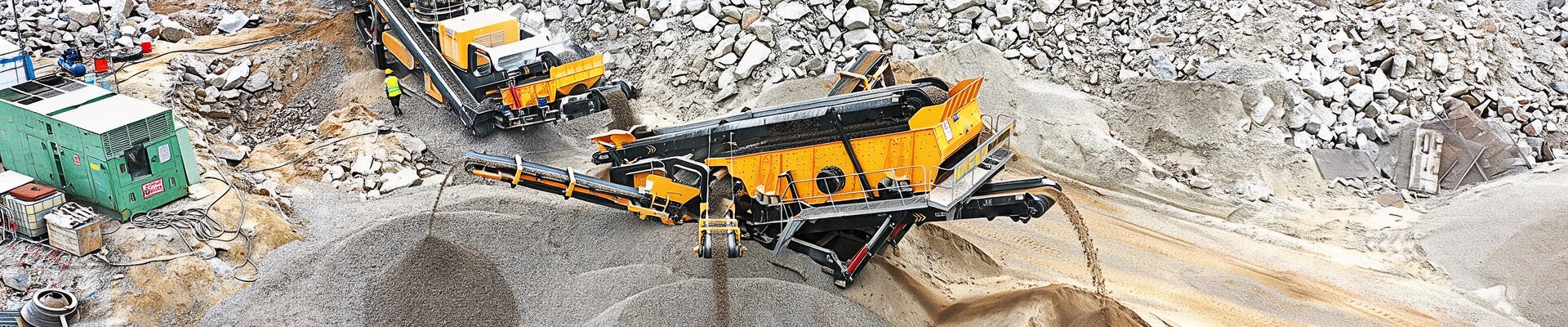
Anyone doing 0–5 mm fines classification, mortar raw material, manufactured-sand dust removal, or aggregate dewatering knows inclined screens struggle here — fines rush across the inclined deck, screening efficiency is low, dust isn’t fully separated, and dewatering needs extra equipment. A horizontal screen has near-zero deck angle; material slides horizontally across the deck, giving a long screening path so fines and water drop through the mesh. That\’s the right answer for fines classification and dewatering. But traditional horizontal screens are stationary plants — moving one means breaking foundations and hiring a crane, with slow screen changes and blinding. The H6203 puts the entire horizontal screen on tracks.
Ⅱ. What the Multi-specification mobile stone screening machine Actually Does
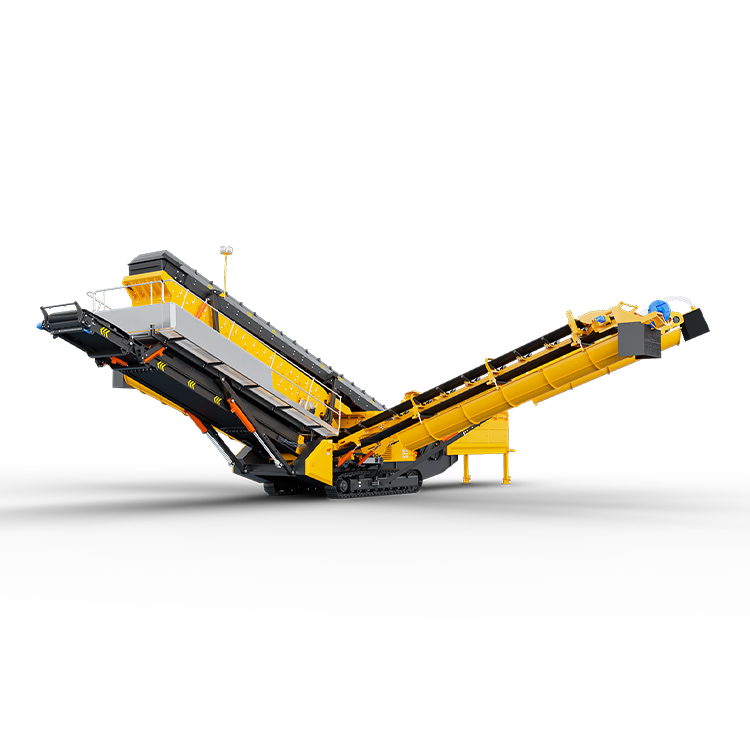
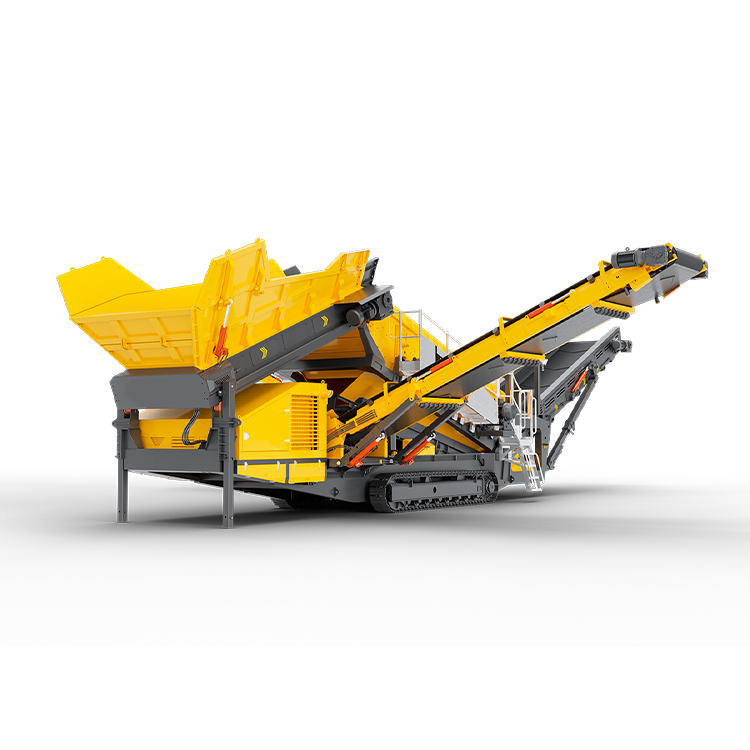
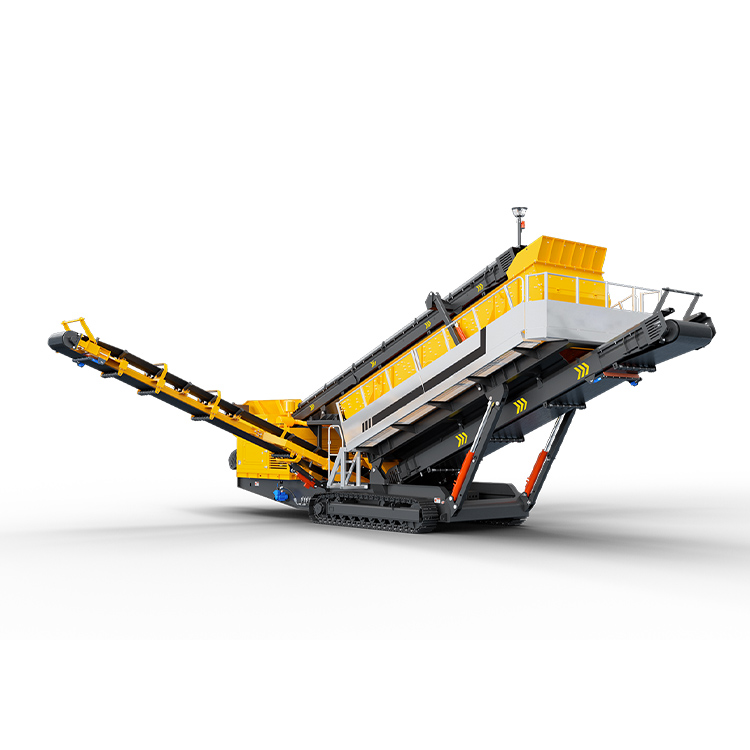
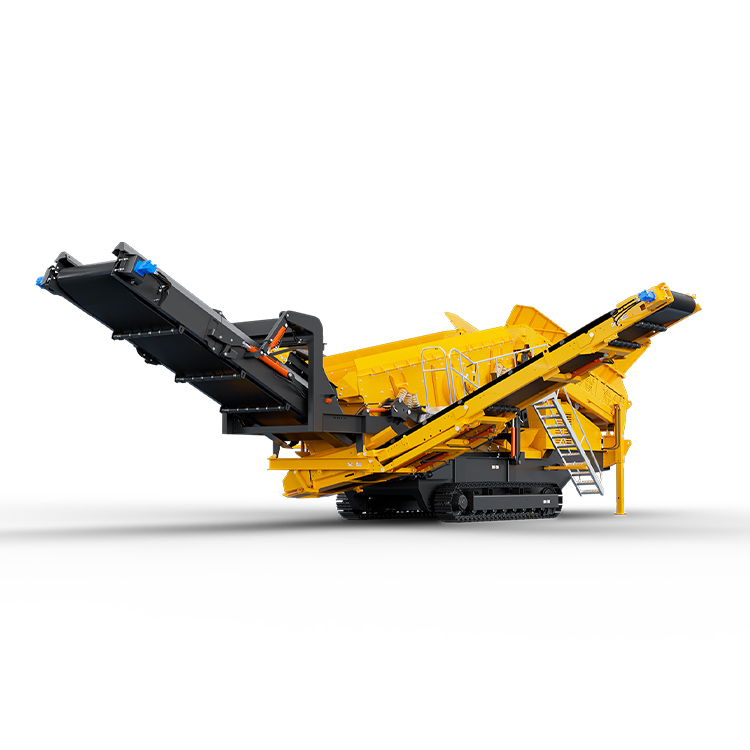
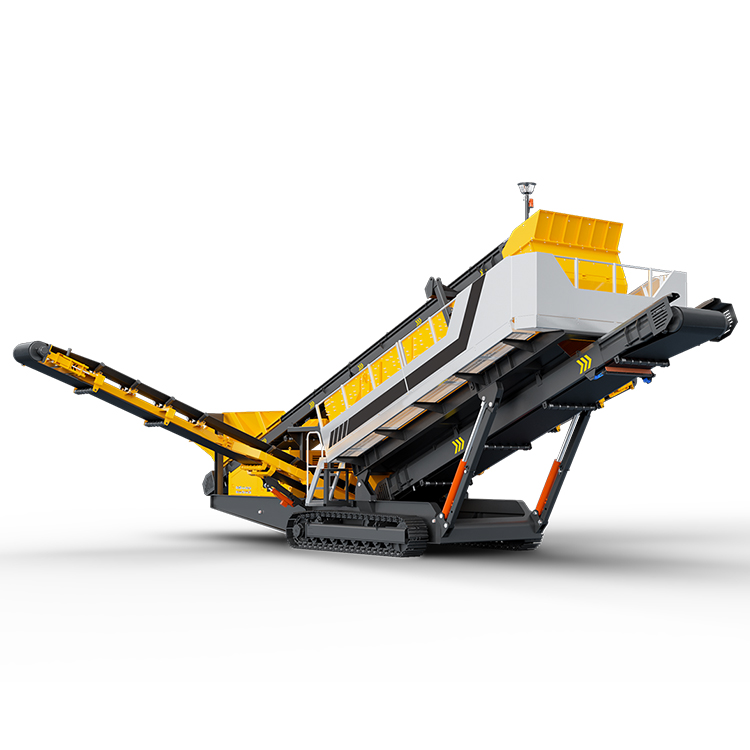
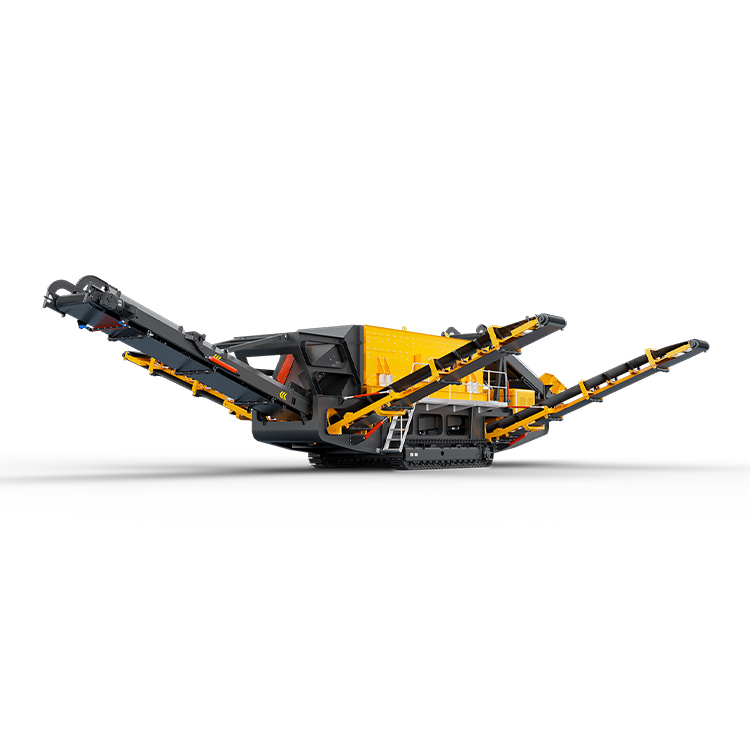
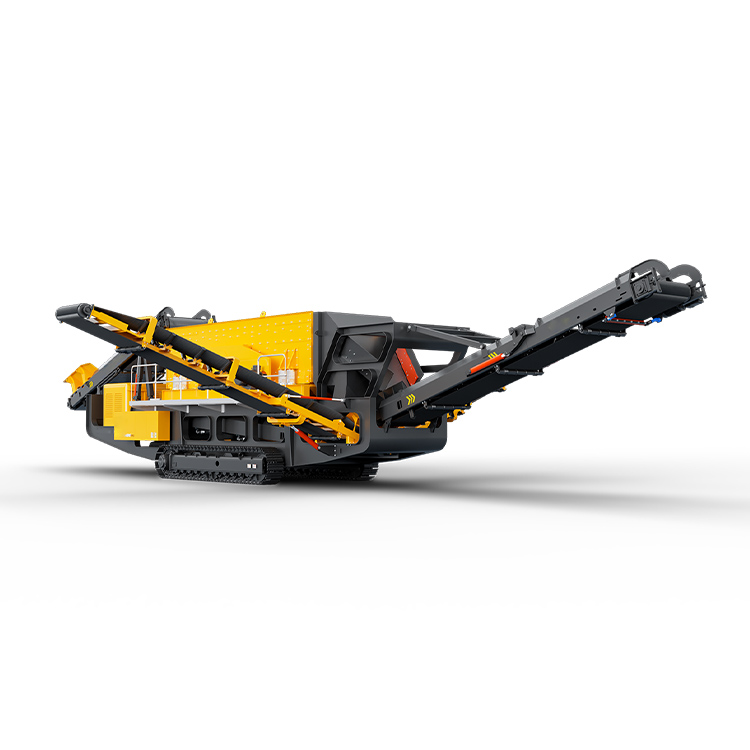
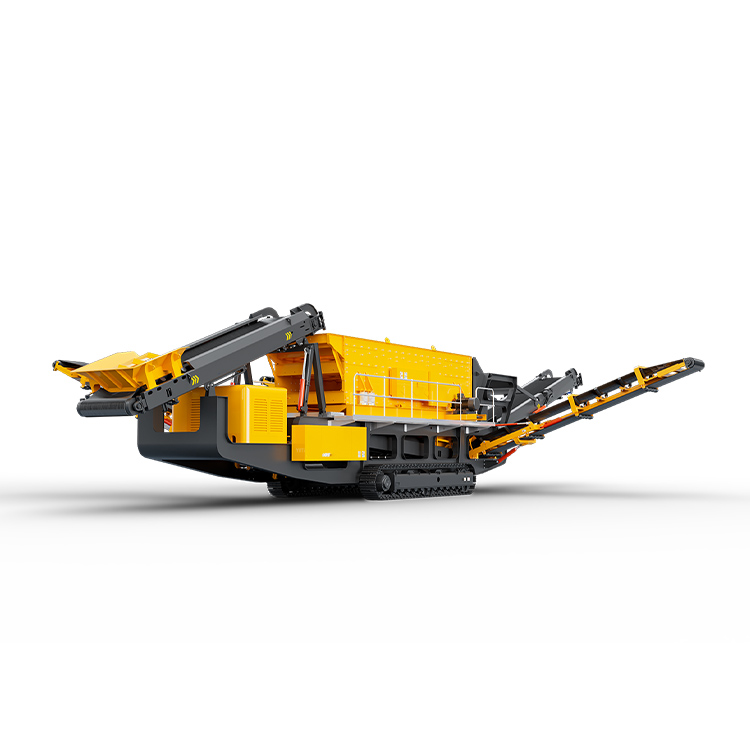
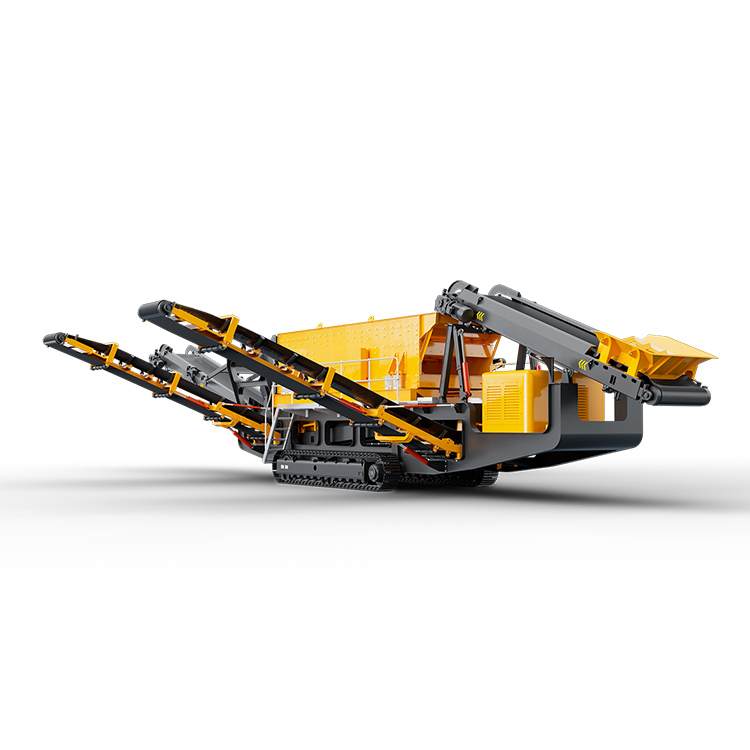
The H6203 is a tracked horizontal screening station weighing 38 tons, processing 350–500 tph, powered by a 72 kW diesel engine. The screen box is horizontal, driven by dual vibrators, suitable for 0–5 mm fines classification, manufactured-sand dust removal, aggregate dewatering, and tailings dry discharge — with over 20% higher fines screening efficiency than inclined screens.
Ⅲ. Key Selling Points
• Near-zero horizontal deck angle: material slides horizontally, giving over 20% higher fines (0–5 mm) screening efficiency than inclined screens; manufactured-sand dust removal in one pass.
• 350–500 tph capacity — higher than a mid-size inclined screen. Purpose-built for fines and recycled material; handles tailings dry discharge and mortar raw-material classification.
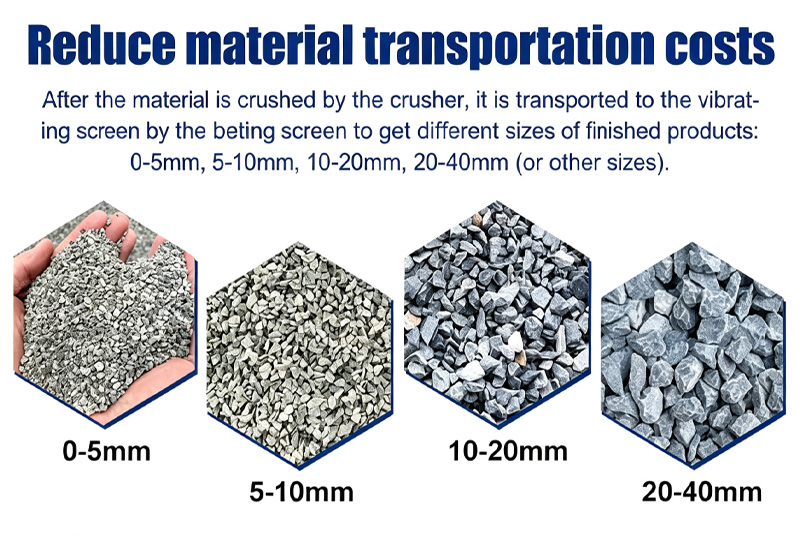 • Synchronized dual vibrators deliver even excitation with no screen-box twist; welds hold up through three-shift continuous operation, keeping high-output lines running.
• 72 kW diesel with low fuel consumption for its class; the per-ton fuel cost at 500 tph is highly competitive.
• Polyurethane dewatering screen panels plus water-spray system: water drains through the mesh onto a return conveyor, bringing finished-moisture content below 12% — no need for sun drying.
• Tracked remote-control mobility climbs 30° slopes; it drives itself between sites without crane or trailer, cutting relocation time from three days to half a day.
• Water-spray dust control is standard; water on the deck suppresses dust and passes environmental inspections, even on high-fines sites.
Ⅳ. Technical Specifications
Ⅴ. Suitable Applications
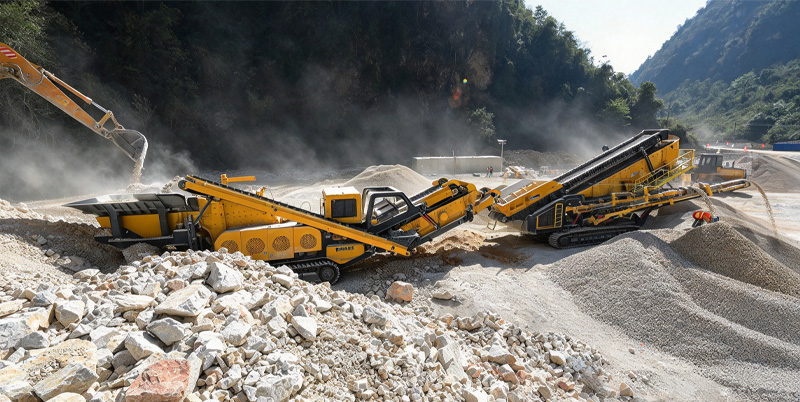
The H6203 fits: downstream dust/silt removal on manufactured-sand lines; fines classification for dry-mix and ready-mix mortar; aggregate dewatering and tailings dry discharge; C&D recycled fines sorting. It is not for large run-of-mine feed (that\’s the SZ heavy-duty screen) or mid-size aggregate coarse classification (that\’s the S1303/S933 inclined screens). For fines, dewatering, and dust removal — the H6203 is the right choice.
 Ⅵ. Frequently Asked Questions
Q1: Horizontal screen vs inclined screen — how to choose?
Answer: remember one rule — for 0–5 mm fines with dewatering/dust removal, choose the horizontal H6203; for aggregate above 5 mm, choose the inclined S1303/S933; for large run-of-mine rock, choose the SZ heavy-duty series.
Q2: Can it do wet dewatering?
Answer: Yes. The H6203 uses polyurethane dewatering panels plus water spray; wet feed slides across the horizontal deck, water drains through the mesh to the return conveyor below, and finished moisture drops below 12%.
Q3: What feed size for 500 tph?
Answer: The horizontal screen handles fines; recommend feed below 0–10 mm, max 20 mm. Oversize feed blinds the mesh and wears panels — run large rock through a crusher first.
Ⅵ. Machine Details
Multi-specification mobile stone screening machine specs: horizontal screen box with synchronized dual vibrators for even excitation; 72 kW diesel; handles 0–10 mm fines at 350–500 tph; optional polyurethane dewatering panels; multi-product conveyors with hydraulic lift; Strickland tracked undercarriage with remote-control mobility. All standard. A detail: the horizontal deck is fixed-level, so unlike inclined screens the operator doesn’t adjust angles or memorize settings. Dual vibrators mount symmetrically on both sides, so the box doesn’t twist and weld life doubles versus a single vibrator. In dewatering mode a return conveyor below the panels collects water, channeling it to a settling pond without polluting the site. Manufactured-sand and mortar plants find it easiest: 0–10 mm sand passes through once, dust and excess water removed in one pass, finished moisture stays below 5%, ready for the mixing plant without sun drying. If you run a mortar plant in South or East China, we can send an engineer with a demo unit to run your material for a day — check moisture and dust content before signing. One-year or 2,000-hour warranty (wear parts excluded); common panels and vibrator seals stocked in five regional warehouses, shipped within 48 hours. For overseas customers we handle container loading, customs, and send engineers to guide installation.
Anyone doing 0–5 mm fines classification, mortar raw material, manufactured-sand dust removal, or aggregate dewatering knows inclined screens struggle here — fines rush across the inclined deck, screening efficiency is low, dust isn’t fully separated, and dewatering needs extra equipment. A horizontal screen has near-zero deck angle; material slides horizontally across the deck, giving a long screening path so fines and water drop through the mesh. That\’s the right answer for fines classification and dewatering. But traditional horizontal screens are stationary plants — moving one means breaking foundations and hiring a crane, with slow screen changes and blinding. The H6203 puts the entire horizontal screen on tracks.
Ⅱ. What the Multi-specification mobile stone screening machine Actually Does
The H6203 is a tracked horizontal screening station weighing 38 tons, processing 350–500 tph, powered by a 72 kW diesel engine. The screen box is horizontal, driven by dual vibrators, suitable for 0–5 mm fines classification, manufactured-sand dust removal, aggregate dewatering, and tailings dry discharge — with over 20% higher fines screening efficiency than inclined screens.
Ⅲ. Key Selling Points
• Near-zero horizontal deck angle: material slides horizontally, giving over 20% higher fines (0–5 mm) screening efficiency than inclined screens; manufactured-sand dust removal in one pass.
• 350–500 tph capacity — higher than a mid-size inclined screen. Purpose-built for fines and recycled material; handles tailings dry discharge and mortar raw-material classification.
• 72 kW diesel with low fuel consumption for its class; the per-ton fuel cost at 500 tph is highly competitive.
• Polyurethane dewatering screen panels plus water-spray system: water drains through the mesh onto a return conveyor, bringing finished-moisture content below 12% — no need for sun drying.
• Tracked remote-control mobility climbs 30° slopes; it drives itself between sites without crane or trailer, cutting relocation time from three days to half a day.
• Water-spray dust control is standard; water on the deck suppresses dust and passes environmental inspections, even on high-fines sites.
Ⅳ. Technical Specifications
| Model | MST-H6203 |
| Type | Tracked horizontal screening station |
| Operating Weight | Approx. 38 tons |
| Capacity | 350–500 t/h |
| Main Motor Power | 72 kW |
| Power Type | Diesel |
| Screen Box Layout | Horizontal |
| Vibration Type | Synchronized dual vibrators |
| Suitable Material | 0–5 mm fines, manufactured-sand dust removal, aggregate dewatering, tailings dry discharge |
| Tracks / Hydraulics / Electric Control | Strickland tracks, Danfoss hydraulics, Schneider/Siemens electric control |
| Operating Temperature | -40°C to +40°C |
| Other Details | Subject to final configuration list |
Ⅴ. Suitable Applications
The H6203 fits: downstream dust/silt removal on manufactured-sand lines; fines classification for dry-mix and ready-mix mortar; aggregate dewatering and tailings dry discharge; C&D recycled fines sorting. It is not for large run-of-mine feed (that\’s the SZ heavy-duty screen) or mid-size aggregate coarse classification (that\’s the S1303/S933 inclined screens). For fines, dewatering, and dust removal — the H6203 is the right choice.
Q1: Horizontal screen vs inclined screen — how to choose?
Answer: remember one rule — for 0–5 mm fines with dewatering/dust removal, choose the horizontal H6203; for aggregate above 5 mm, choose the inclined S1303/S933; for large run-of-mine rock, choose the SZ heavy-duty series.
Q2: Can it do wet dewatering?
Answer: Yes. The H6203 uses polyurethane dewatering panels plus water spray; wet feed slides across the horizontal deck, water drains through the mesh to the return conveyor below, and finished moisture drops below 12%.
Q3: What feed size for 500 tph?
Answer: The horizontal screen handles fines; recommend feed below 0–10 mm, max 20 mm. Oversize feed blinds the mesh and wears panels — run large rock through a crusher first.
Ⅵ. Machine Details
Multi-specification mobile stone screening machine specs: horizontal screen box with synchronized dual vibrators for even excitation; 72 kW diesel; handles 0–10 mm fines at 350–500 tph; optional polyurethane dewatering panels; multi-product conveyors with hydraulic lift; Strickland tracked undercarriage with remote-control mobility. All standard. A detail: the horizontal deck is fixed-level, so unlike inclined screens the operator doesn’t adjust angles or memorize settings. Dual vibrators mount symmetrically on both sides, so the box doesn’t twist and weld life doubles versus a single vibrator. In dewatering mode a return conveyor below the panels collects water, channeling it to a settling pond without polluting the site. Manufactured-sand and mortar plants find it easiest: 0–10 mm sand passes through once, dust and excess water removed in one pass, finished moisture stays below 5%, ready for the mixing plant without sun drying. If you run a mortar plant in South or East China, we can send an engineer with a demo unit to run your material for a day — check moisture and dust content before signing. One-year or 2,000-hour warranty (wear parts excluded); common panels and vibrator seals stocked in five regional warehouses, shipped within 48 hours. For overseas customers we handle container loading, customs, and send engineers to guide installation.