Ⅰ. Product Introduction
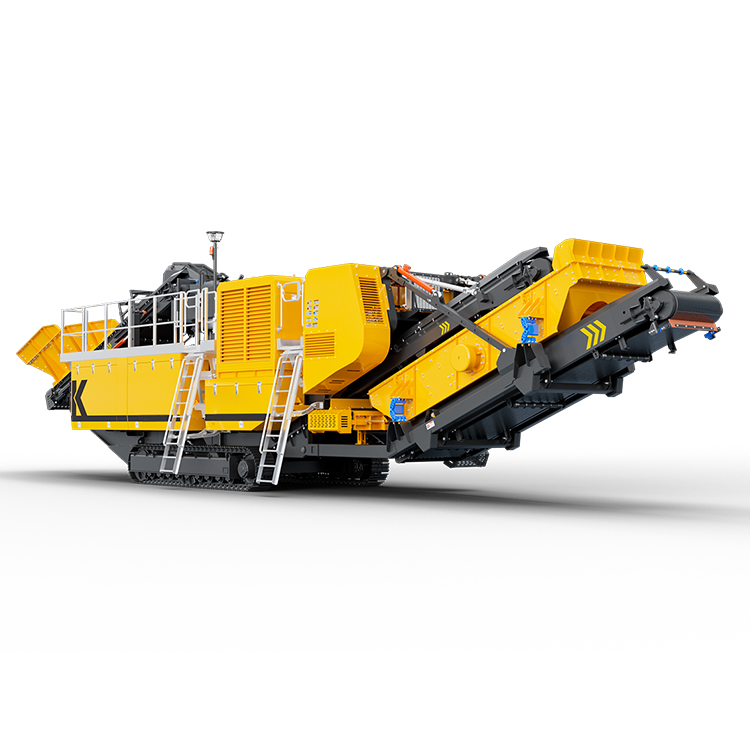
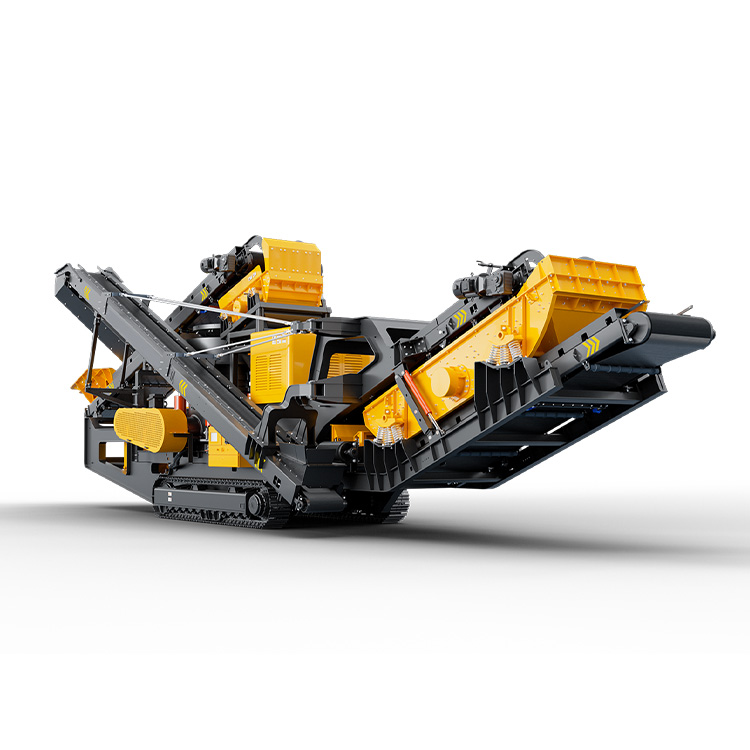
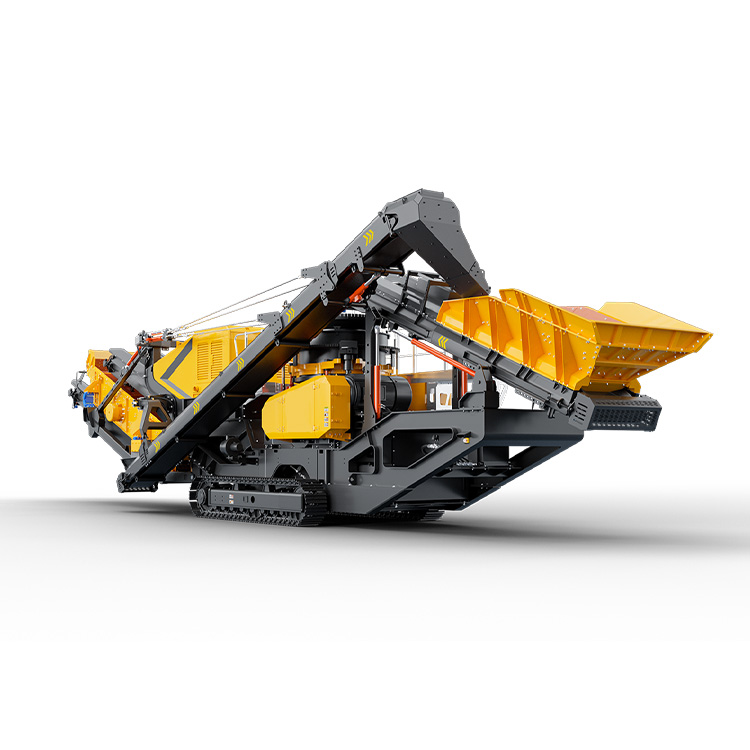
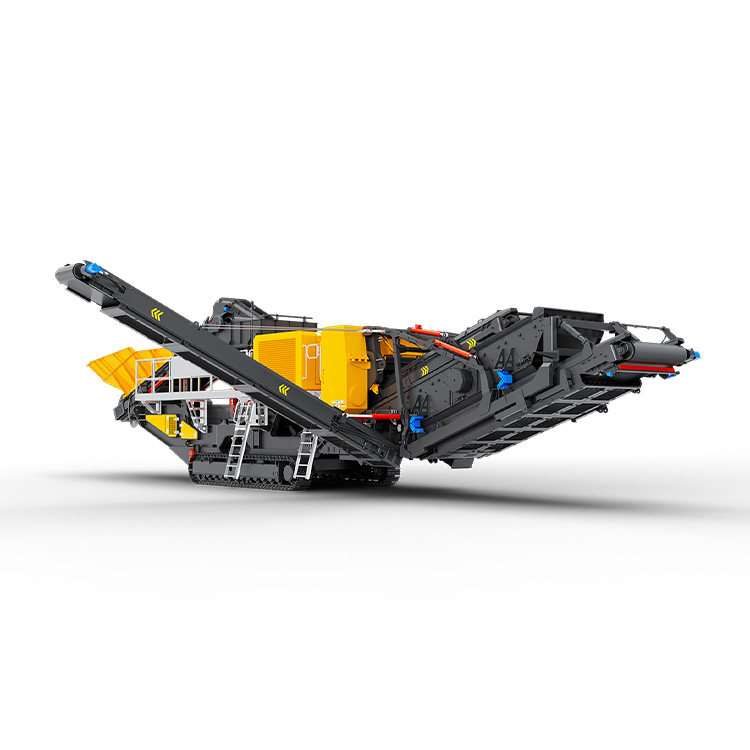
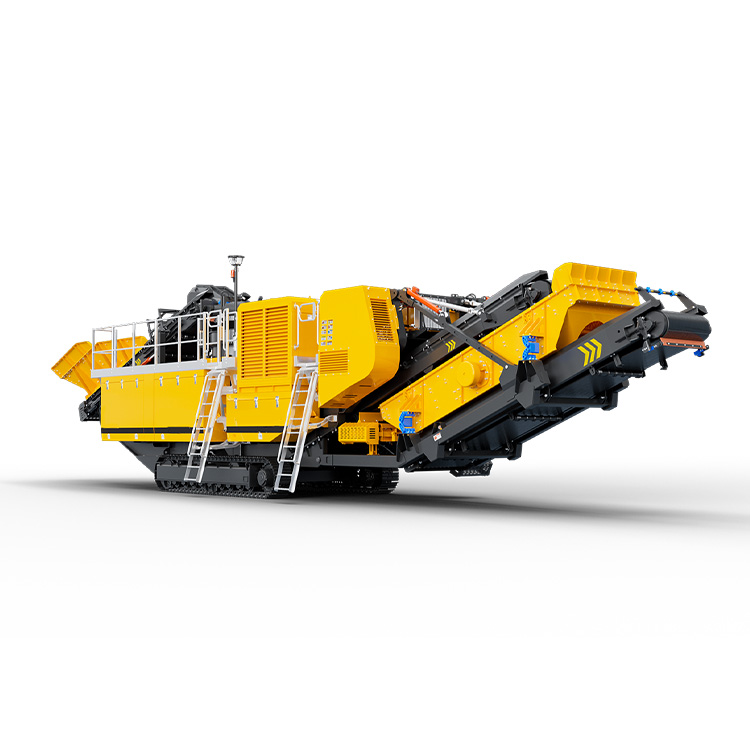
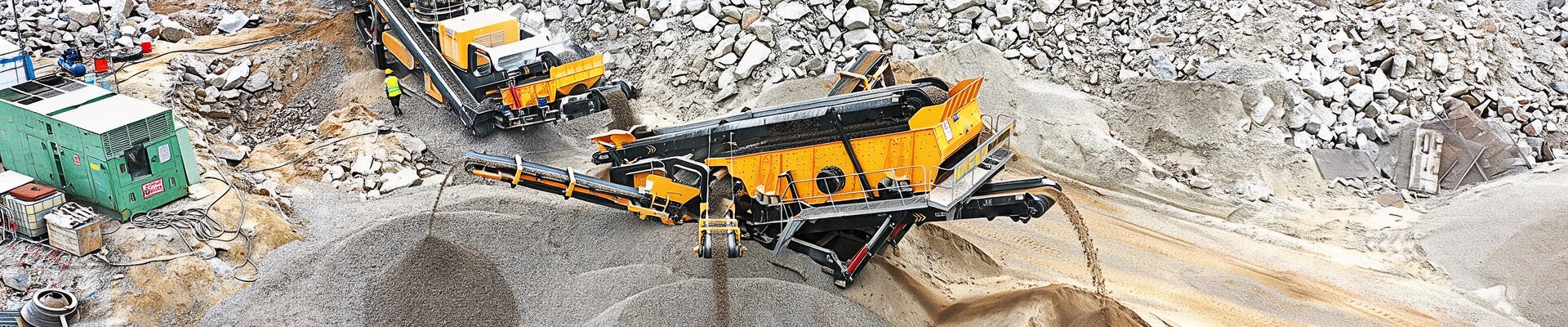
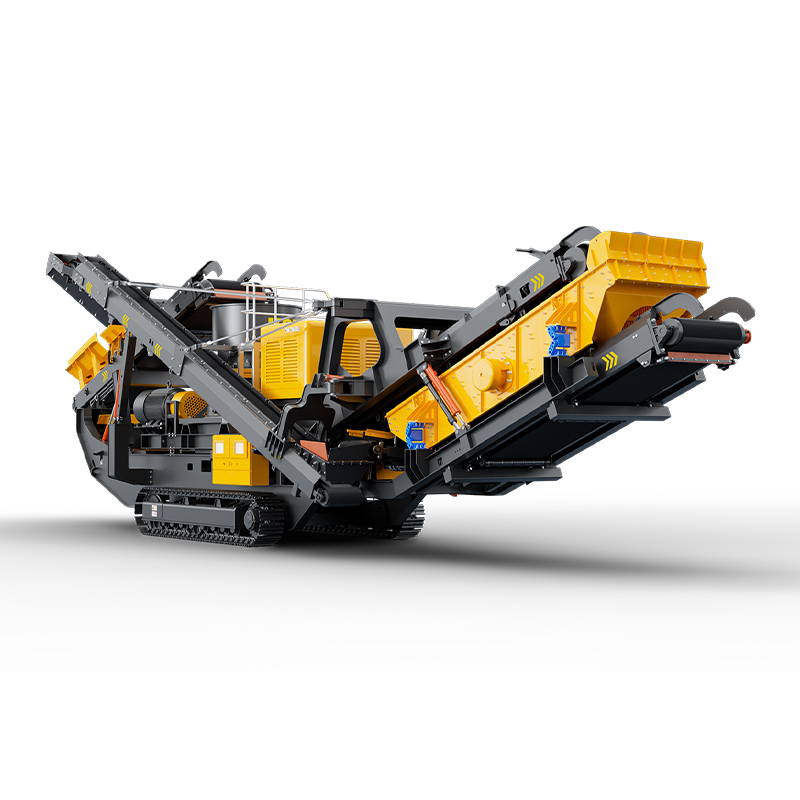
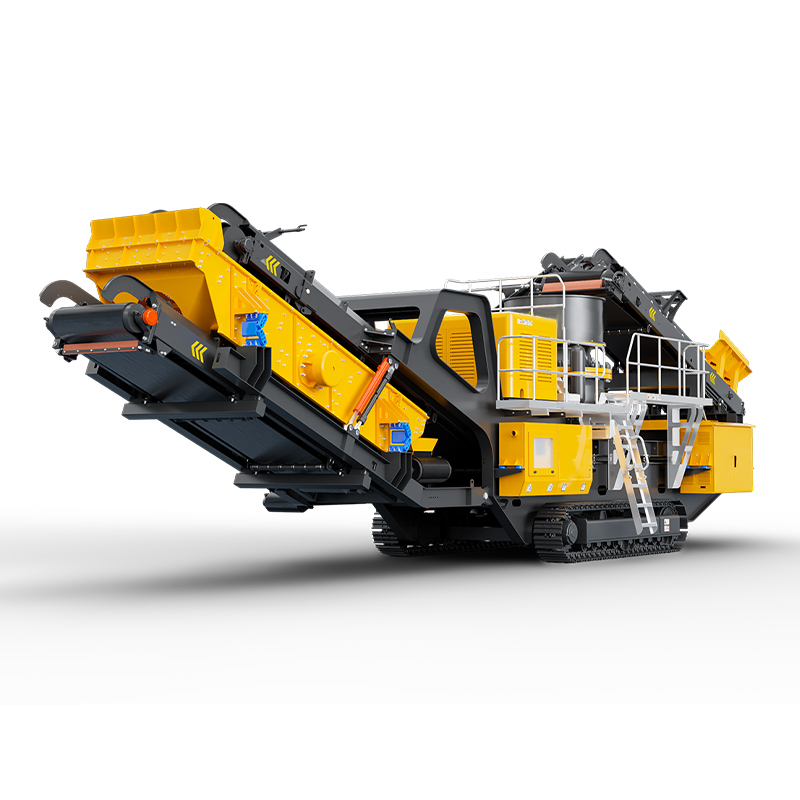
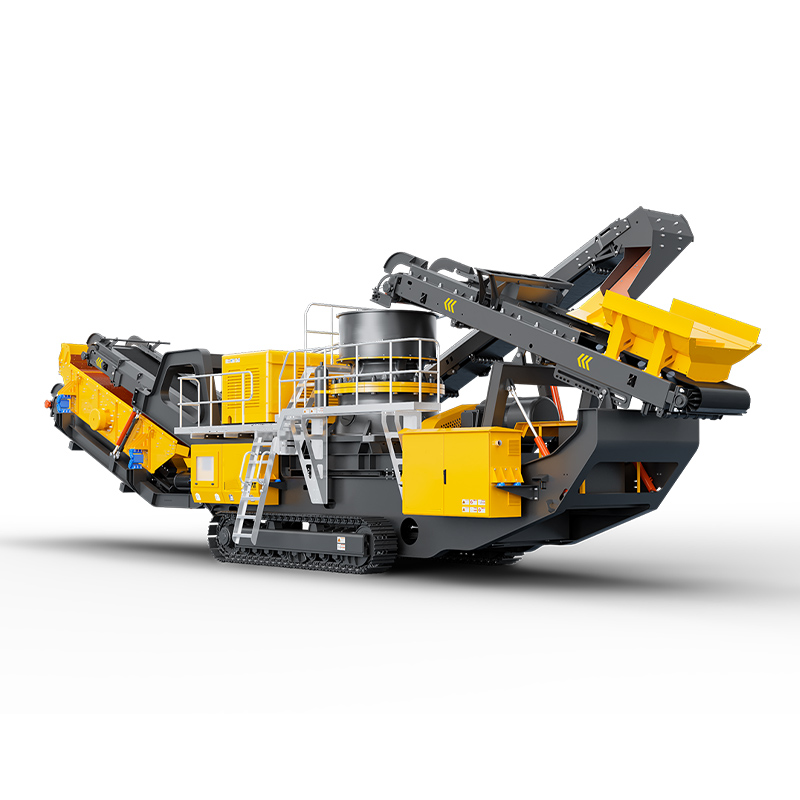
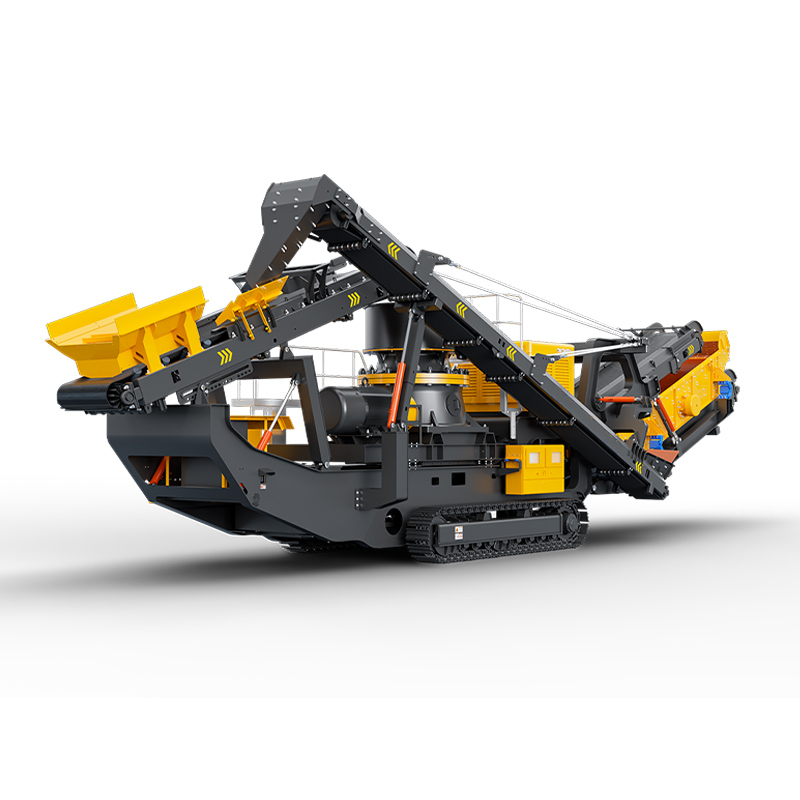
The MST-Y440RS is our Dual power mobile cone crusher. It weighs approximately 52 tons, with a capacity of 100–350 t/h. It adopts the CC440 short-head mainframe and a 250 kW crushing motor, with a maximum feed size of 140 mm. It is specially designed for fine crushing of hard rock, reducing 20–80 mm intermediate crushed material down to premium 5–20 mm aggregate. Standard configurations include hydraulic discharge gap adjustment and one-click cavity clearing, plus water spray dust suppression, hydraulically adjustable conveyor height and wireless remote control. Single-operator operation cuts on-site labour costs. With laminated crushing technology, finished aggregate features excellent cubical particle shape, and the flakiness index meets strict acceptance standards for high-speed railways and highways.
 Ⅱ. why choose our Dual power mobile cone crusher
1.Intelligent Self-Adaptive Mainframe Load System Equipped with dynamic load sensing modules to capture real-time material flow impact and spindle load fluctuations, it automatically fine-tunes the machine protection threshold. When feed size or rock hardness fluctuates, the unit will not simply shut down for protection. Instead, it adaptively adjusts buffer pressure to maintain continuous production. This avoids impact damage to transmission parts caused by frequent start-stop cycles, ideal for quarries with unstable feed quality.
2.Integrated Vibration Acquisition & Health Monitoring Multi-point vibration sensors are installed on the spindle frame, chassis and reducer to continuously collect vibration spectrum data. The system can detect early hazards such as bearing wear, loose bolts and uneven cavity abrasion in advance, generate equipment health reports and enable predictive maintenance. Early fault detection reduces unplanned emergency downtime.
3.Modular Enclosed Protection Cabin Design Separate sealed protection cabins are used for the crushing mainframe and power unit. The cabins feature quick-release latches instead of numerous bolts for easy inspection and maintenance. They block dust and rainwater from entering core transmission components, lowering risks of dust accumulation and corrosion on gears and bearings in open-pit mines with heavy rainfall and dust.
4.Optimized Material Diversion Structure to Reduce Segregation Wear A bionic material diversion structure inside the crushing chamber guides stones to fall evenly to the centre of the crushing cavity. It improves biased feeding issues and prevents rapid local wear on one side of liners. Balanced material flow ensures uniform liner wear and full service-life utilisation, eliminating premature failure on one side while the opposite liner still has ample remaining thickness.
5.Lightweight Pipeline Layout & Integrated Leak Detection Hydraulic pipelines adopt integrated routing to reduce exposed joints and potential leak points. Pressure leak sensors are fitted at key oil circuit positions. The system triggers early alarms for minor leakage, preventing continuous hydraulic oil loss, ground contamination at the quarry, environmental risks and higher oil consumption costs.
Ⅲ. Main Technical Specifications of Dual power mobile cone crusher
Ⅳ. How to Choose Power Version
RS stands for diesel version, fitted with Cummins or Weichai generating sets, ready to operate directly on remote construction sites. Positioned as a mobile fine crushing station for medium & low output, the diesel variant delivers maximum flexibility; it can be towed and operated anywhere.
If your site has grid power and you want long-term power savings, we offer the electric version Y440ERS on the same platform. We will recommend the suitable option according to your working conditions.
Ⅴ. Maintenance Guidelines of mobile cone crusher
Routine Inspection: Before startup, check equipment alarms, oil temperature and load data via touchscreen. Inspect safety interlocks, hydraulic leaks, material buildup on cavity deflectors and track condition, and confirm guards are intact.
Periodic Preventive Maintenance: Replace lubricating oil based on oil sample test results; clean self-cleaning filters of dustproof air ducts; calibrate all sensors and tighten electrical connections; monitor wear of frame wear bushes; regularly inspect data storage and communication modules.
Overhaul after Shutdown: Cut off power, apply lockout-tagout and lock hydraulics before overhaul for safety. Evaluate spindle and bearing wear based on vibration health reports; tighten full-machine bolts, clean waste oil collection system and check expansion interfaces & HMI access permissions.
 Ⅵ. Frequently Asked Questions
Q: What is the difference between a short-head cone crusher and a secondary cone crusher? A: Short-head cones have longer parallel crushing zones and smaller discharge gaps, delivering finer output with good particle shape but a lower maximum feed size (140 mm for this model). Secondary cone crushers accept larger feed and achieve higher throughput, yet produce coarser material. The two types must work in combination and cannot replace each other.
Q: Can this machine directly process output from a jaw crusher? A: Not recommended. Material discharged from jaw crushers is generally above 100–200 mm, exceeding its 140 mm feed limit and causing choking. It should be fed by a secondary cone crusher or impact crusher upstream.
Q: What flakiness index can be achieved for river pebbles? A: With a properly set discharge gap, the flakiness index can be controlled below 10%. Actual results depend on your raw material and requirements. We can conduct material tests to provide measured data.
Q: Can screening equipment be installed? A: Yes. When paired with inclined screen decks, it forms a complete crushing system.
The MST-Y440RS is our Dual power mobile cone crusher. It weighs approximately 52 tons, with a capacity of 100–350 t/h. It adopts the CC440 short-head mainframe and a 250 kW crushing motor, with a maximum feed size of 140 mm. It is specially designed for fine crushing of hard rock, reducing 20–80 mm intermediate crushed material down to premium 5–20 mm aggregate. Standard configurations include hydraulic discharge gap adjustment and one-click cavity clearing, plus water spray dust suppression, hydraulically adjustable conveyor height and wireless remote control. Single-operator operation cuts on-site labour costs. With laminated crushing technology, finished aggregate features excellent cubical particle shape, and the flakiness index meets strict acceptance standards for high-speed railways and highways.
1.Intelligent Self-Adaptive Mainframe Load System Equipped with dynamic load sensing modules to capture real-time material flow impact and spindle load fluctuations, it automatically fine-tunes the machine protection threshold. When feed size or rock hardness fluctuates, the unit will not simply shut down for protection. Instead, it adaptively adjusts buffer pressure to maintain continuous production. This avoids impact damage to transmission parts caused by frequent start-stop cycles, ideal for quarries with unstable feed quality.
2.Integrated Vibration Acquisition & Health Monitoring Multi-point vibration sensors are installed on the spindle frame, chassis and reducer to continuously collect vibration spectrum data. The system can detect early hazards such as bearing wear, loose bolts and uneven cavity abrasion in advance, generate equipment health reports and enable predictive maintenance. Early fault detection reduces unplanned emergency downtime.
3.Modular Enclosed Protection Cabin Design Separate sealed protection cabins are used for the crushing mainframe and power unit. The cabins feature quick-release latches instead of numerous bolts for easy inspection and maintenance. They block dust and rainwater from entering core transmission components, lowering risks of dust accumulation and corrosion on gears and bearings in open-pit mines with heavy rainfall and dust.
4.Optimized Material Diversion Structure to Reduce Segregation Wear A bionic material diversion structure inside the crushing chamber guides stones to fall evenly to the centre of the crushing cavity. It improves biased feeding issues and prevents rapid local wear on one side of liners. Balanced material flow ensures uniform liner wear and full service-life utilisation, eliminating premature failure on one side while the opposite liner still has ample remaining thickness.
5.Lightweight Pipeline Layout & Integrated Leak Detection Hydraulic pipelines adopt integrated routing to reduce exposed joints and potential leak points. Pressure leak sensors are fitted at key oil circuit positions. The system triggers early alarms for minor leakage, preventing continuous hydraulic oil loss, ground contamination at the quarry, environmental risks and higher oil consumption costs.
Ⅲ. Main Technical Specifications of Dual power mobile cone crusher
| Item | Parameter |
| Model | MST-Y440RS |
| Crushing Mainframe | CC440 Short-head Cone |
| Total Weight | approx. 52 T |
| Processing Capacity | 100–350 t/h |
| Total Installed Power | approx. 325 kW |
| Crushing Motor Power | 250 kW |
| Max Feed Size | 140 mm (short-head fine crushing) |
| Power Type | Diesel (RS) |
| Track Brand | Strickland |
| Bearings / Hydraulics / Electrical Control | SKF/FAG; Danfoss; Schneider/Siemens |
| Operating Ambient Temperature | -40°C ~ +40°C |
| Working / Transport Dimensions | Subject to official configuration sheet |
Ⅳ. How to Choose Power Version
RS stands for diesel version, fitted with Cummins or Weichai generating sets, ready to operate directly on remote construction sites. Positioned as a mobile fine crushing station for medium & low output, the diesel variant delivers maximum flexibility; it can be towed and operated anywhere.
If your site has grid power and you want long-term power savings, we offer the electric version Y440ERS on the same platform. We will recommend the suitable option according to your working conditions.
Ⅴ. Maintenance Guidelines of mobile cone crusher
Routine Inspection: Before startup, check equipment alarms, oil temperature and load data via touchscreen. Inspect safety interlocks, hydraulic leaks, material buildup on cavity deflectors and track condition, and confirm guards are intact.
Periodic Preventive Maintenance: Replace lubricating oil based on oil sample test results; clean self-cleaning filters of dustproof air ducts; calibrate all sensors and tighten electrical connections; monitor wear of frame wear bushes; regularly inspect data storage and communication modules.
Overhaul after Shutdown: Cut off power, apply lockout-tagout and lock hydraulics before overhaul for safety. Evaluate spindle and bearing wear based on vibration health reports; tighten full-machine bolts, clean waste oil collection system and check expansion interfaces & HMI access permissions.
Q: What is the difference between a short-head cone crusher and a secondary cone crusher? A: Short-head cones have longer parallel crushing zones and smaller discharge gaps, delivering finer output with good particle shape but a lower maximum feed size (140 mm for this model). Secondary cone crushers accept larger feed and achieve higher throughput, yet produce coarser material. The two types must work in combination and cannot replace each other.
Q: Can this machine directly process output from a jaw crusher? A: Not recommended. Material discharged from jaw crushers is generally above 100–200 mm, exceeding its 140 mm feed limit and causing choking. It should be fed by a secondary cone crusher or impact crusher upstream.
Q: What flakiness index can be achieved for river pebbles? A: With a properly set discharge gap, the flakiness index can be controlled below 10%. Actual results depend on your raw material and requirements. We can conduct material tests to provide measured data.
Q: Can screening equipment be installed? A: Yes. When paired with inclined screen decks, it forms a complete crushing system.