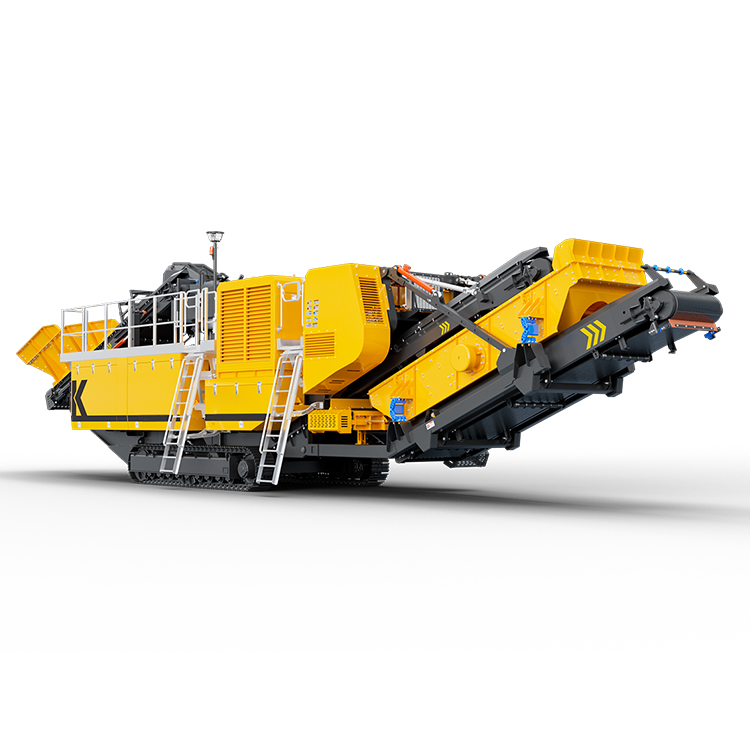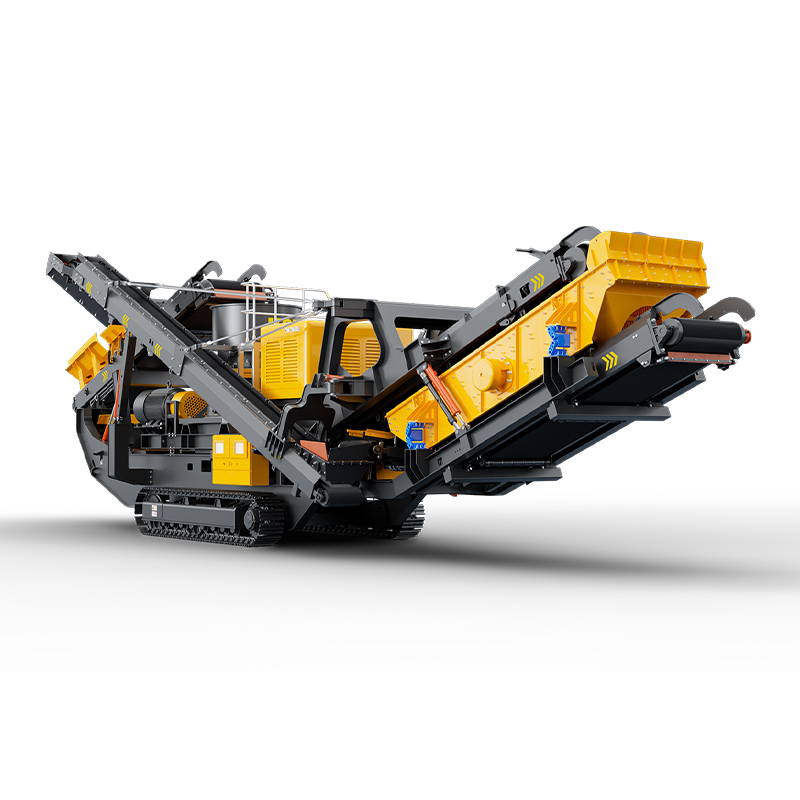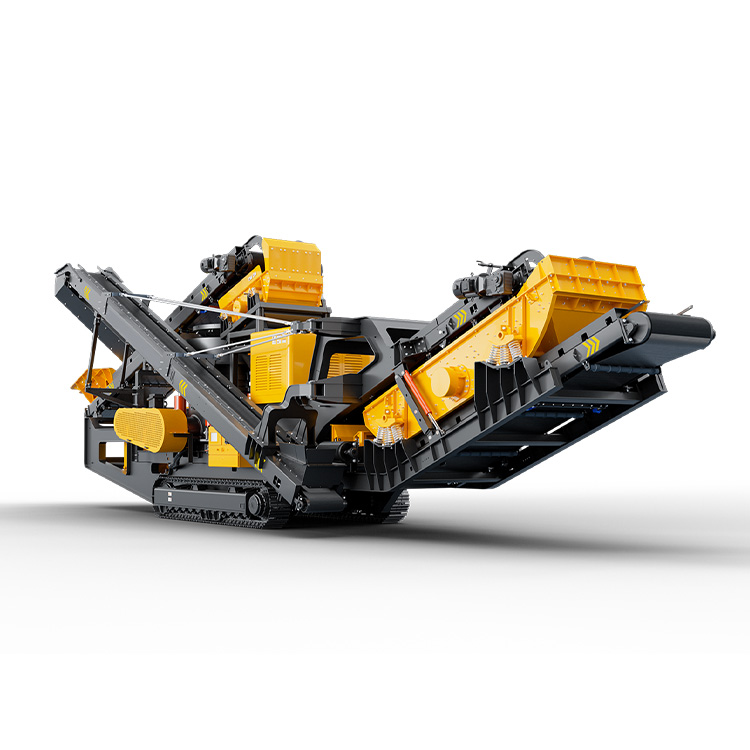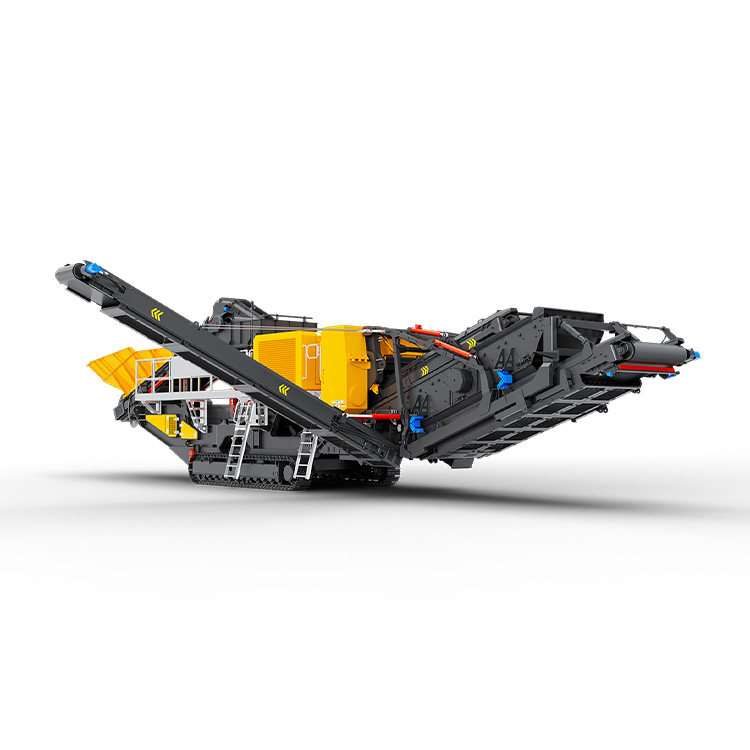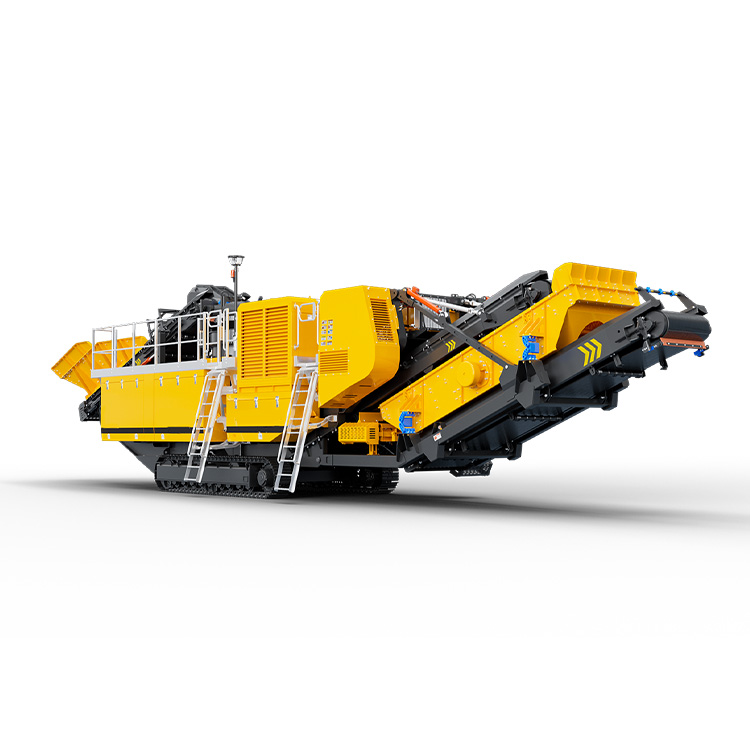
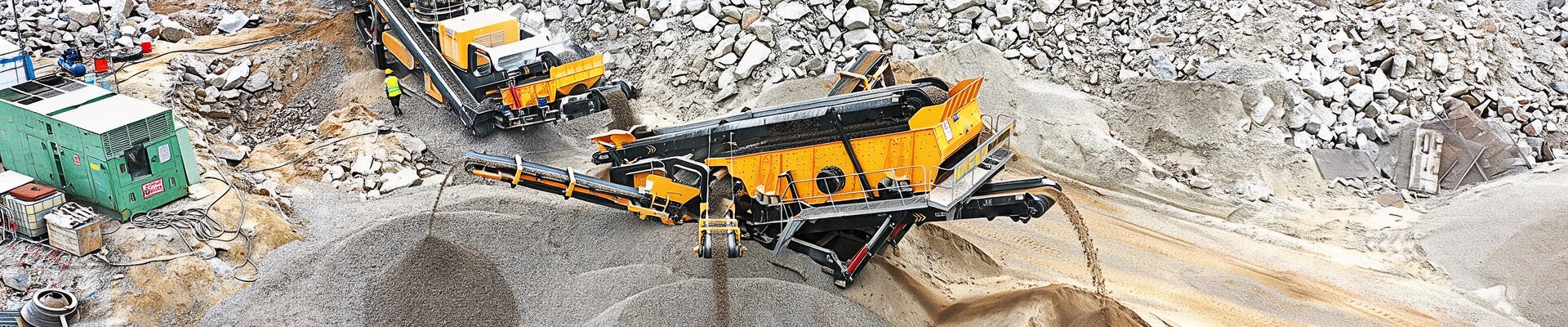
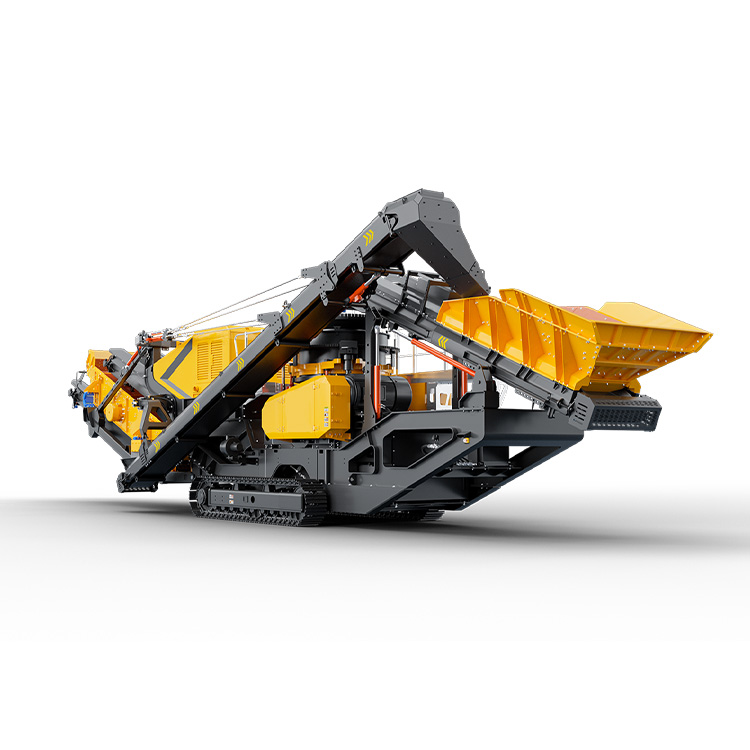
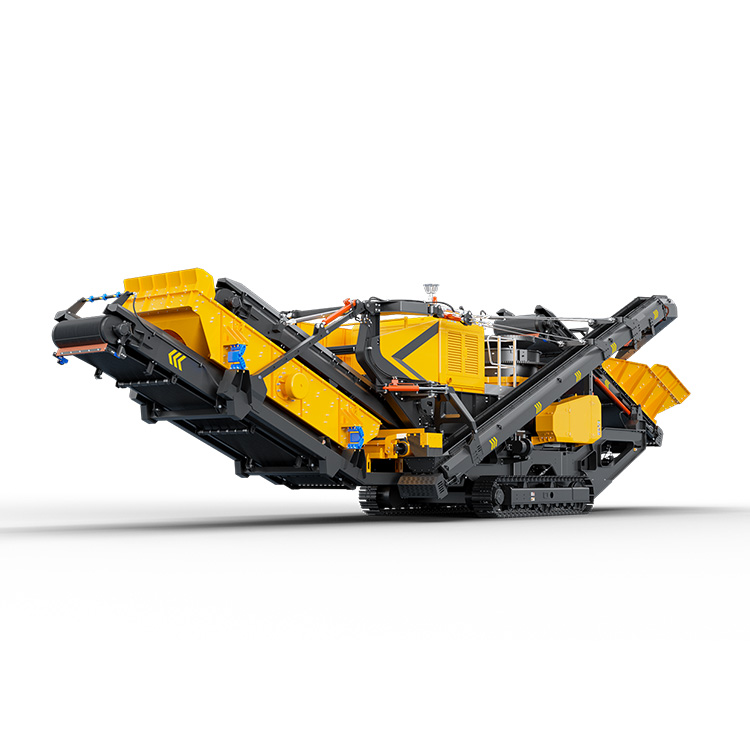
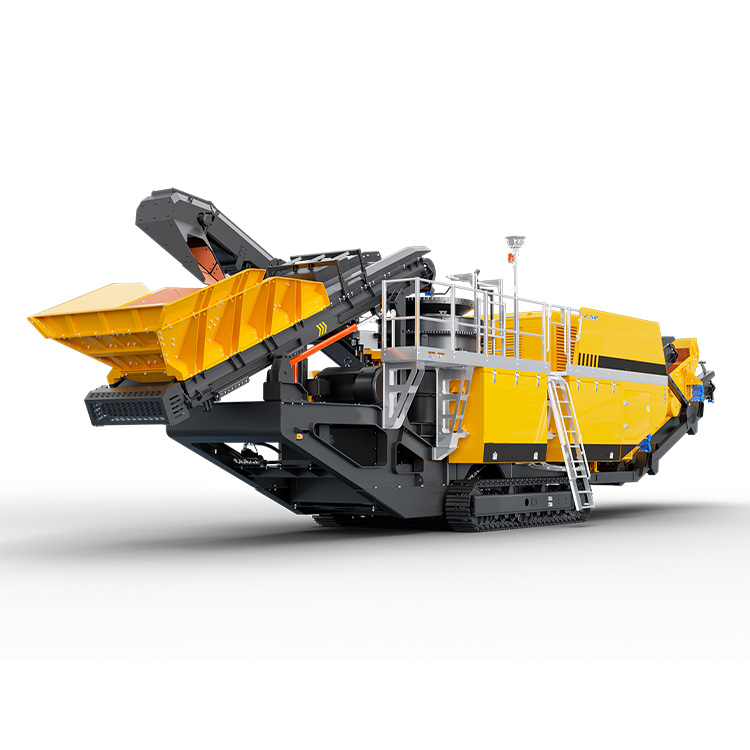
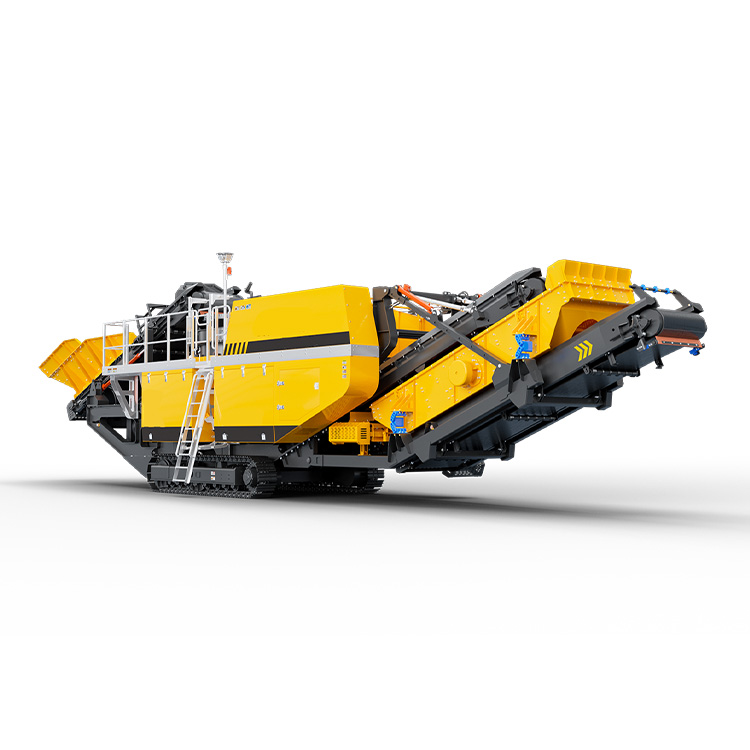
Ⅰ. Highlights of Core Performance Parameters of Mobile cone crusher for sand and aggregates
1.feed size up to 220 mm. Discharge from the primary jaw crusher can go directly into this unit without secondary pre-crushing, removing intermediate crushing steps.
2.Hourly throughput reaches 100–320 t/h with stable production. Suitable for medium-scale aggregate lines and capable of continuous 10-hour long-shift operation.
3.The high-power 250 kW main crushing motor easily handles hard rock like granite and basalt without choking or tripping. Variable-frequency soft start ensures stable on-load start and stop and reduces tripping risks.
4.It adopts the laminated crushing principle. Finished aggregate has well-formed particles and low flakiness index, meeting specifications for premium aggregate for highways and general infrastructure.
Ⅱ. Wear Parts & Maintenance Advantages
1.Thickened high manganese-chromium alloy mantle and bowl liner offer better wear resistance than standard liners for high-hardness rock and reduce replacement frequency.
2.Optimised liner assembly design. Liner replacement does not require lifting the entire mainframe, greatly cutting maintenance downtime.
3.The machine comes with built-in lubrication monitoring and temperature protection. Automatic alarms activate under abnormal conditions to minimise damage risk to core components including main shafts and bearings.
 Ⅲ. Undercarriage & Relocation Capacity
1.Heavy-duty hydraulic tracked undercarriage. The machine weighs approximately 58 tonnes. It travels independently on muddy, uneven mine ground with strong climbing ability.
2.Optimised transport dimensions for flatbed trailer haulage with minimal oversize. Simple relocation between sites without extensive pre-disassembly.
3.Thick rubber tracks or steel tracks are optional to suit site working conditions.
Ⅳ. Hydraulic & Intelligent Control System mobile cone crusher for sand
1.Hydraulic discharge gap adjustment and one-click cavity clearing. Reverse rotation releases blocked rock to resolve jamming rapidly.
2.Fitted with water spray dust suppression to control crushing dust and satisfy site environmental requirements.
3.Hydraulically adjustable conveyor height plus wireless remote control. One operator can complete all operations including travelling, parameter setting, startup and shutdown.
Ⅴ. Main Technical Specifications
Mobile cone crusher for sand and aggregates Parameter
Ⅵ. Value Advantages Compared With Traditional Stationary Cone Crushers
1.No concrete foundation required. Commission quickly upon site arrival and save civil construction costs and lead time.
2.The crusher moves together with stockpiles, eliminating long-distance rock haulage and cutting truck fuel and transportation expenses.
3.Integrated crushing, conveying and dust suppression modules. The complete unit is highly integrated with simple auxiliary setup.
Ⅶ. Frequently Asked Questions
Q: How much granite can this machine process per day? A: Under typical conditions with 200 mm feed and 30 mm discharge gap, hourly output is roughly 180–260 tonnes. For 10 operating hours per day, daily production reaches 1,800–2,600 tonnes. Actual results depend on your feed size and finished product requirements. We can conduct material tests with your rock sample to provide accurate data.
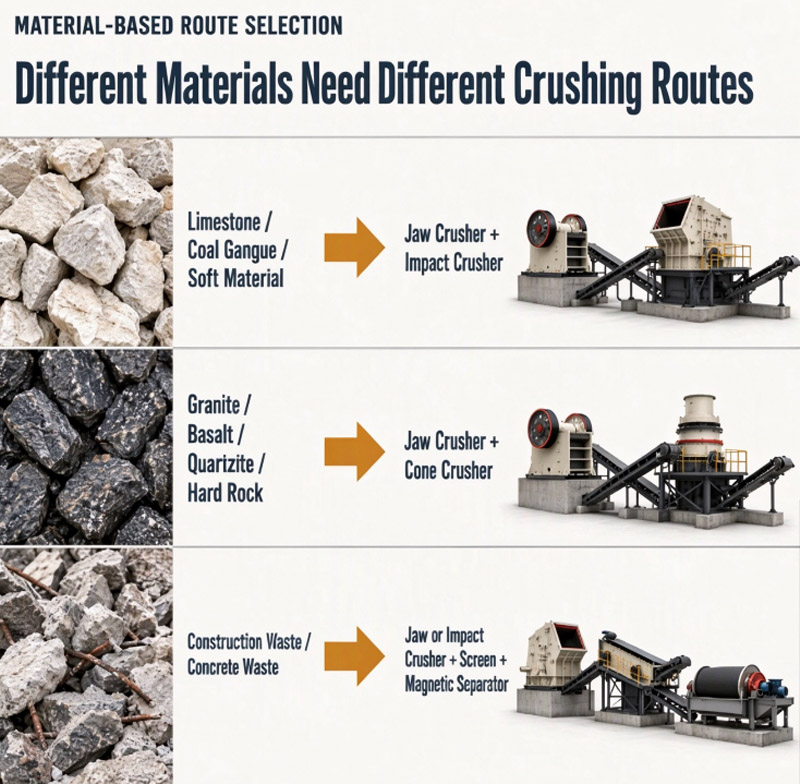
Q: What types of rock can this tracked cone crusher process? A: It handles medium and hard rock including granite, basalt, iron ore, quartzite and gabbro. It is mainly used for secondary crushing in aggregate and mining projects. For soft rock such as limestone, impact crushers offer a more economical solution.
Q: How often does the bowl liner need to be replaced? A: For granite applications, our standard high manganese-chromium alloy bowl liner normally runs 3,000–4,000 operating hours per set under normal working conditions, around 30% longer than ordinary high manganese steel. We supply a one-year wear parts package with the machine, so generally no extra liner purchase is required within the first year.
Q: Can it operate at sites without grid power? A: RS stands for diesel version equipped with an on-board generator set, ready for operation in remote field sites. If grid power is available nearby, you may choose the electric version to save considerable fuel costs over long-term operation.
1.feed size up to 220 mm. Discharge from the primary jaw crusher can go directly into this unit without secondary pre-crushing, removing intermediate crushing steps.
2.Hourly throughput reaches 100–320 t/h with stable production. Suitable for medium-scale aggregate lines and capable of continuous 10-hour long-shift operation.
3.The high-power 250 kW main crushing motor easily handles hard rock like granite and basalt without choking or tripping. Variable-frequency soft start ensures stable on-load start and stop and reduces tripping risks.
4.It adopts the laminated crushing principle. Finished aggregate has well-formed particles and low flakiness index, meeting specifications for premium aggregate for highways and general infrastructure.
Ⅱ. Wear Parts & Maintenance Advantages
1.Thickened high manganese-chromium alloy mantle and bowl liner offer better wear resistance than standard liners for high-hardness rock and reduce replacement frequency.
2.Optimised liner assembly design. Liner replacement does not require lifting the entire mainframe, greatly cutting maintenance downtime.
3.The machine comes with built-in lubrication monitoring and temperature protection. Automatic alarms activate under abnormal conditions to minimise damage risk to core components including main shafts and bearings.
1.Heavy-duty hydraulic tracked undercarriage. The machine weighs approximately 58 tonnes. It travels independently on muddy, uneven mine ground with strong climbing ability.
2.Optimised transport dimensions for flatbed trailer haulage with minimal oversize. Simple relocation between sites without extensive pre-disassembly.
3.Thick rubber tracks or steel tracks are optional to suit site working conditions.
Ⅳ. Hydraulic & Intelligent Control System mobile cone crusher for sand
1.Hydraulic discharge gap adjustment and one-click cavity clearing. Reverse rotation releases blocked rock to resolve jamming rapidly.
2.Fitted with water spray dust suppression to control crushing dust and satisfy site environmental requirements.
3.Hydraulically adjustable conveyor height plus wireless remote control. One operator can complete all operations including travelling, parameter setting, startup and shutdown.
Ⅴ. Main Technical Specifications
Mobile cone crusher for sand and aggregates Parameter
| Mobile cone crusher for sand and aggregates | Parameter |
| Model | MST-YA300RS |
| Crushing Mainframe | AGP300 (mainframe diameter approx. 1120 mm) |
| Total Weight | approx. 52 T |
| Processing Capacity | 100–380 t/h |
| Total Installed Power | approx. 325 kW |
| Crushing Motor Power | 250 kW |
| Max Feed Size | 215 mm |
| Power Type | Diesel (RS) |
| Working Dimensions (L×W×H) | 18700×4500×5200 mm |
| Transport Dimensions (L×W×H) | 19200×3800×3800 mm |
| Track Brand | Strickland (subject to configuration sheet) |
| Operating Ambient Temperature | -40°C ~ +40°C |
Ⅵ. Value Advantages Compared With Traditional Stationary Cone Crushers
1.No concrete foundation required. Commission quickly upon site arrival and save civil construction costs and lead time.
2.The crusher moves together with stockpiles, eliminating long-distance rock haulage and cutting truck fuel and transportation expenses.
3.Integrated crushing, conveying and dust suppression modules. The complete unit is highly integrated with simple auxiliary setup.
Ⅶ. Frequently Asked Questions
Q: How much granite can this machine process per day? A: Under typical conditions with 200 mm feed and 30 mm discharge gap, hourly output is roughly 180–260 tonnes. For 10 operating hours per day, daily production reaches 1,800–2,600 tonnes. Actual results depend on your feed size and finished product requirements. We can conduct material tests with your rock sample to provide accurate data.
Q: What types of rock can this tracked cone crusher process? A: It handles medium and hard rock including granite, basalt, iron ore, quartzite and gabbro. It is mainly used for secondary crushing in aggregate and mining projects. For soft rock such as limestone, impact crushers offer a more economical solution.
Q: How often does the bowl liner need to be replaced? A: For granite applications, our standard high manganese-chromium alloy bowl liner normally runs 3,000–4,000 operating hours per set under normal working conditions, around 30% longer than ordinary high manganese steel. We supply a one-year wear parts package with the machine, so generally no extra liner purchase is required within the first year.
Q: Can it operate at sites without grid power? A: RS stands for diesel version equipped with an on-board generator set, ready for operation in remote field sites. If grid power is available nearby, you may choose the electric version to save considerable fuel costs over long-term operation.