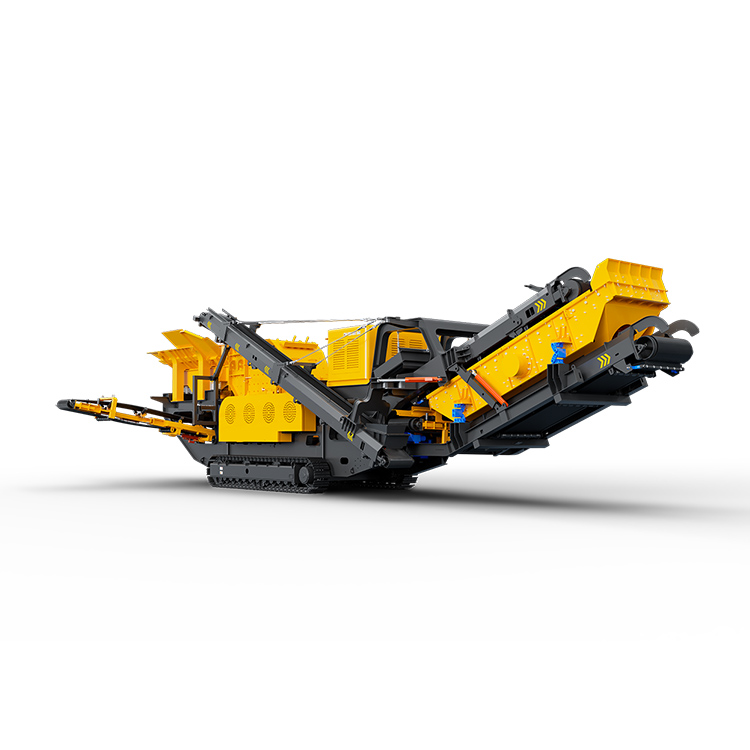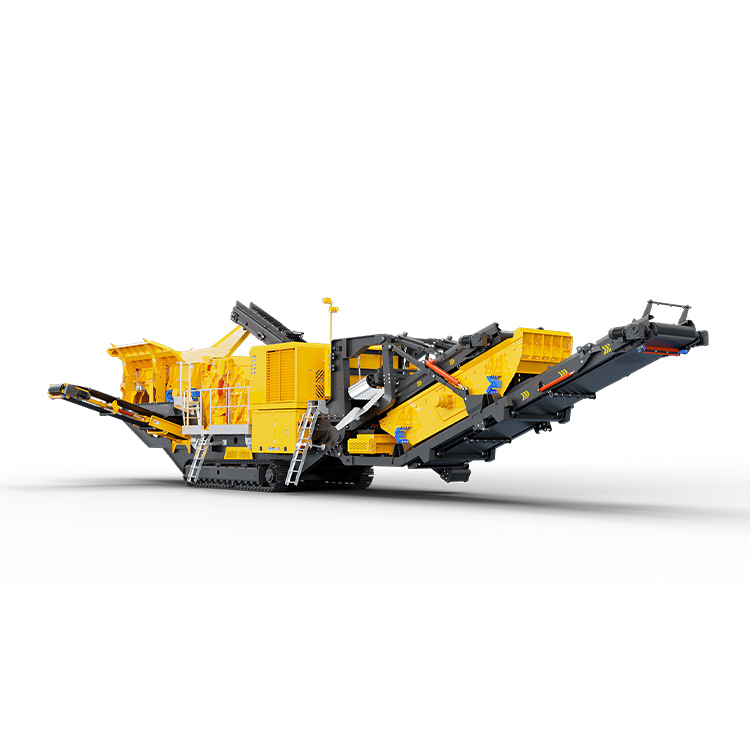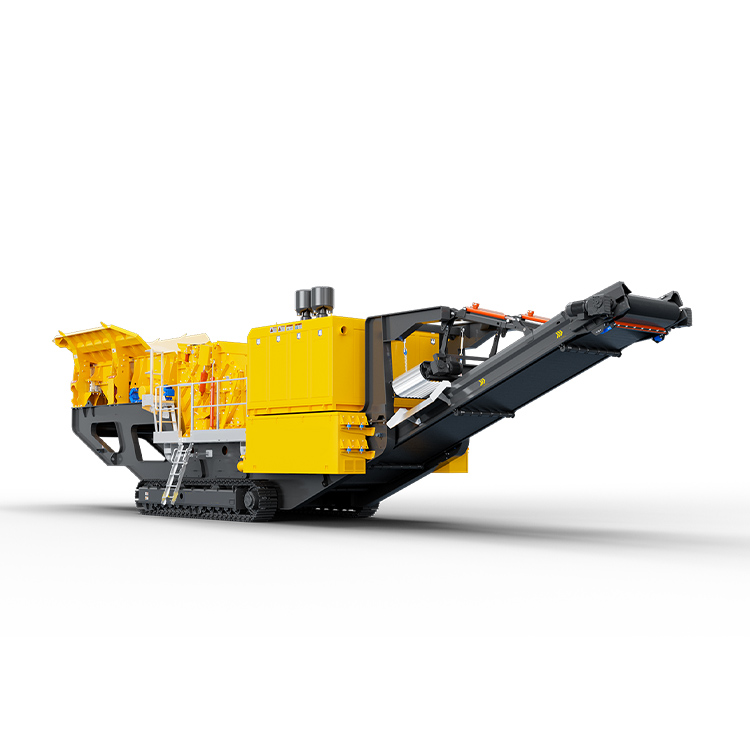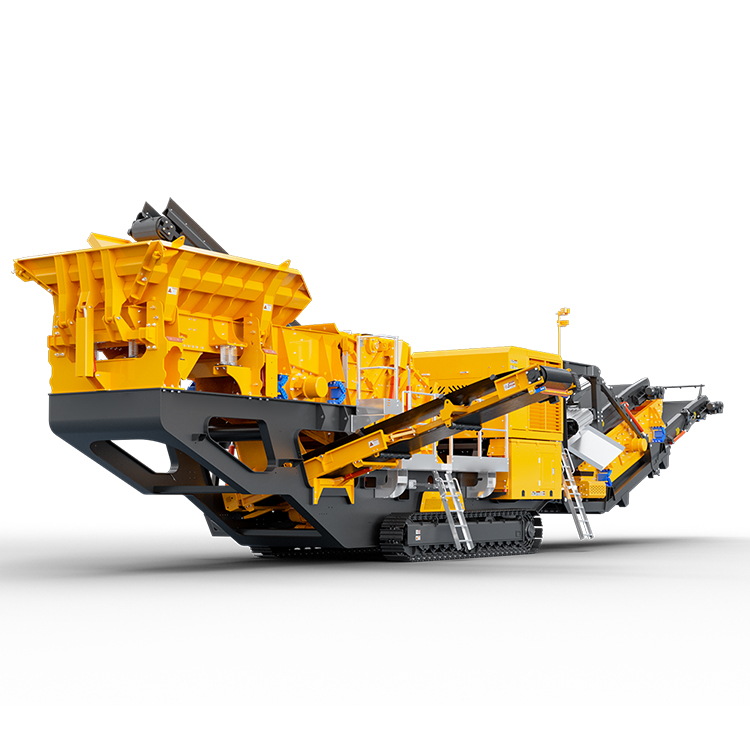
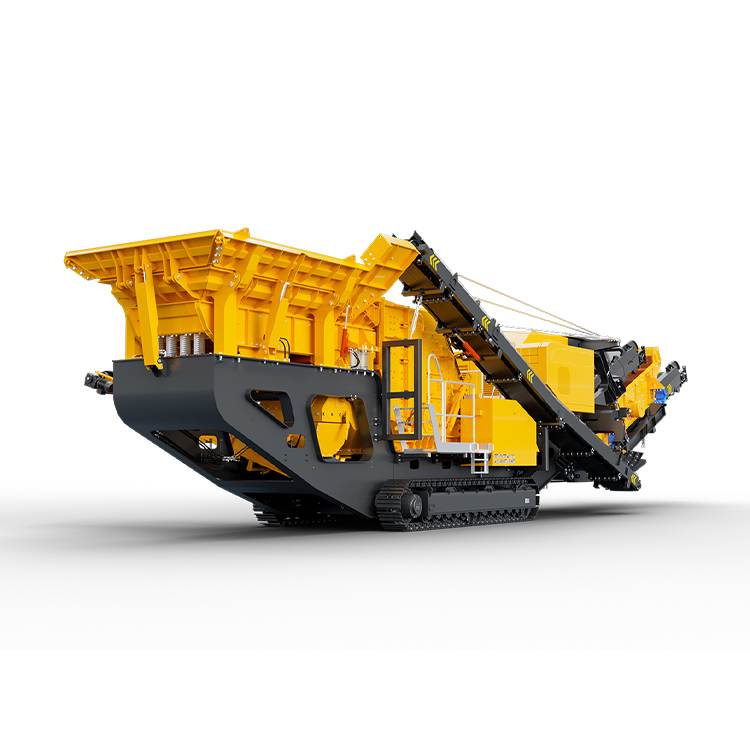
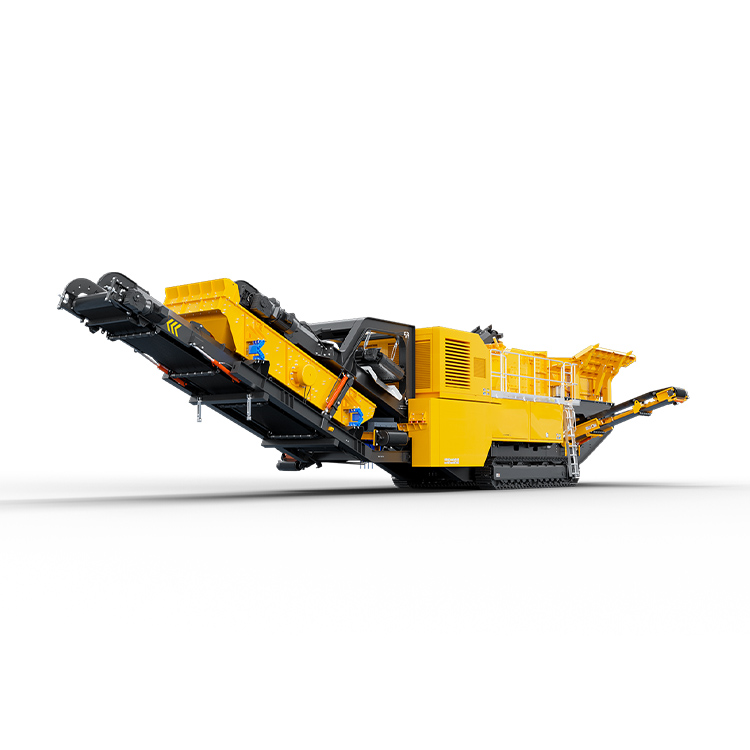
Ⅰ. Crawler-type mobile impact crusher
Operators engaged in construction-waste recycling and limestone aggregate production near urban areas have faced tightening environmental regulations in recent years. Black smoke from diesel engines quickly draws regulatory inspections. Sites close to residential areas frequently receive noise complaints. While switching to an electric impact crusher sounds appealing, many worry that electric units lack sufficient power to crush steel-reinforced concrete debris.
Our cost calculations show that industrial electricity is far cheaper than diesel. For fixed recycling facilities operating continuously, the per-ton operating cost gap is substantial. However, reliable electric-driven impact crushers are limited on the market: imported units carry exorbitant price tags, while domestic alternatives raise concerns over component quality. Few solutions balance environmental compliance and operating-cost savings
Ⅱ. What is this machine for?
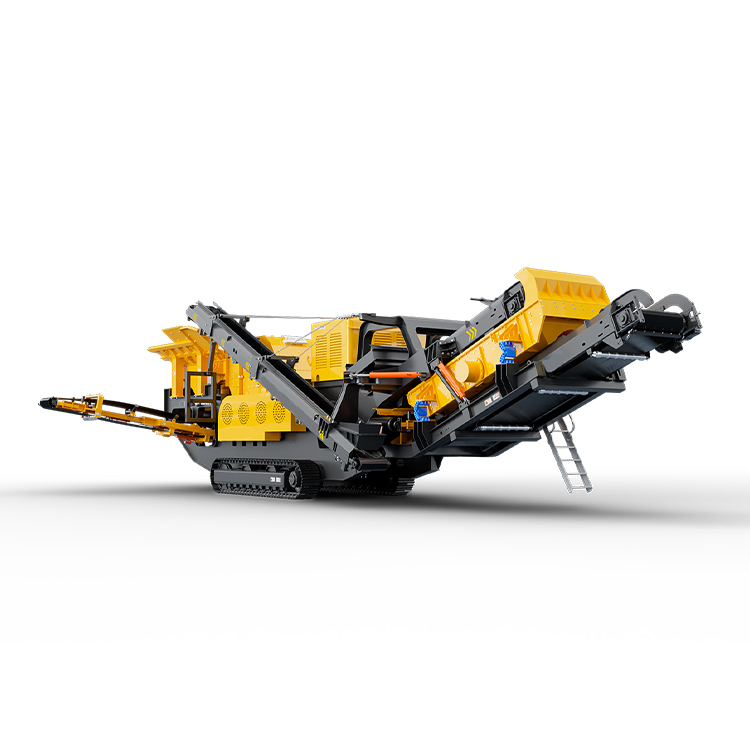
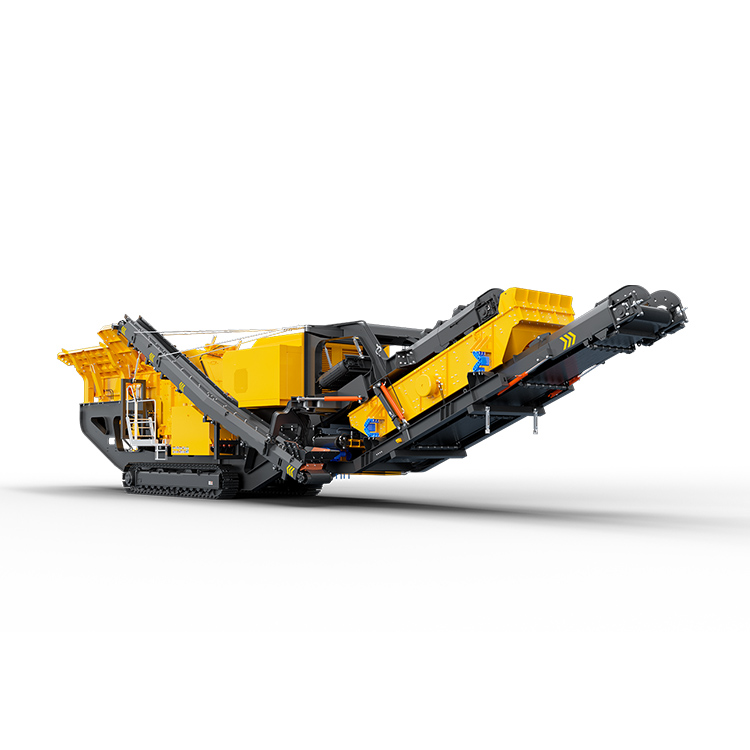
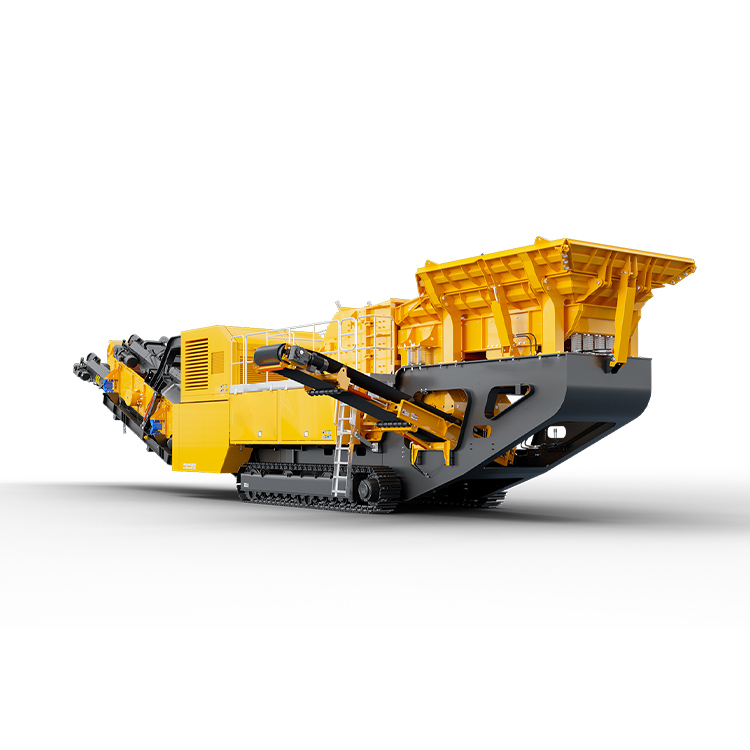
The MST-F4800ERS is the all-electric variant built on the F4800 platform. It weighs approximately 66 tons with a throughput of 150-360 t/h, driven by an all-electric system with around 315 kW total installed power. It is purpose-designed for fixed aggregate plants and urban construction-waste recycling sites with stable grid power, delivering low-noise, eco-friendly performance and reduced per-ton material costs.
Ⅲ. Main advantages of crawler-type mobile impact
1.All-electric drive produces zero black smoke and low noise. It simplifies permit approvals for urban-fringe recycling yards, enables night-time operation without disturbing residents and minimises environmental-complaint risks.
2.Industrial power costs less than diesel. For continuous-operation fixed recycling sites, per-ton power expenses drop by 30-40 %. Annual cost savings can cover multiple sets of blow-bar replacements.
3.Identical three-stage impact crushing chamber as the diesel version. It produces cubical end products with low flakiness index, simplifying acceptance checks for recycled aggregates and shaped limestone materials.
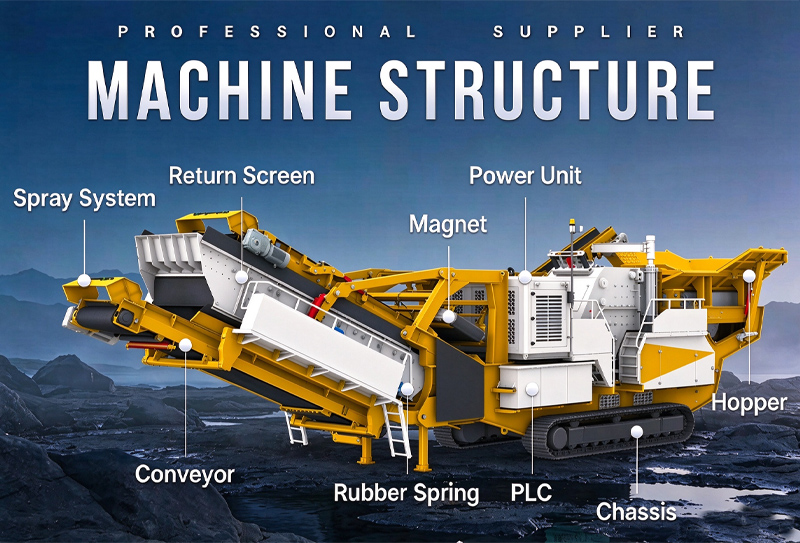
4.Long-service-life high-chromium blow bars; quick-access hydraulic housing for fast blow-bar change-out. An iron remover extracts steel rebar embedded in concrete debris, protecting blow bars from impact damage and cutting downtime.
5.Throughput ranging 150-360 t/h, delivering stable performance crushing limestone and concrete rubble. Variable-frequency soft-start limits inrush impact to the power grid.
6.No diesel-engine-related maintenance parts. On-site electricians can complete routine servicing to save labour costs. Standard features include water-spray dust suppression and remote control operation.
Ⅵ. More about MST
MST runs a large-scale digital manufacturing base. As a National High-Tech Enterprise and Key Specialized & Sophisticated Small-Giant Enterprise, we focus on tracked mobile crushing and screening equipment. Our crushing-technology benchmarks include Metso, Sandvik, Powerscreen and Kleemann. Our chamber geometry and power-matching solutions are widely recognised across the industry. We source premium-grade components from global leading brands: Cummins, Weichai, Stamford, Strickland, WEG, SKF, FAG, Danfoss, Schneider and Siemens. Our equipment has been exported to more than 100 countries. Overseas revenue accounted for over half of total turnover in 2025, underpinned by our reliable component selection.
Ⅴ. Main Technical Specifications
Ⅵ. Suitable Working Conditions & Processable Materials
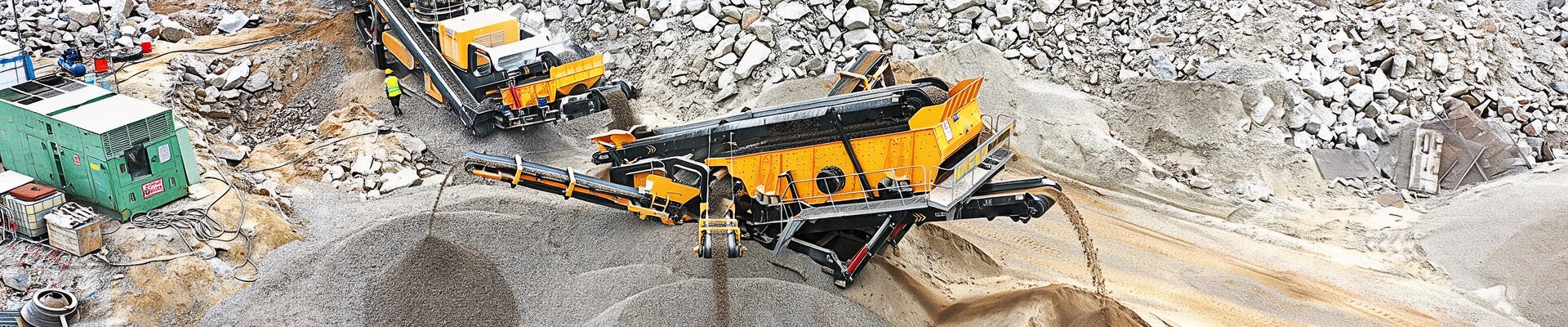
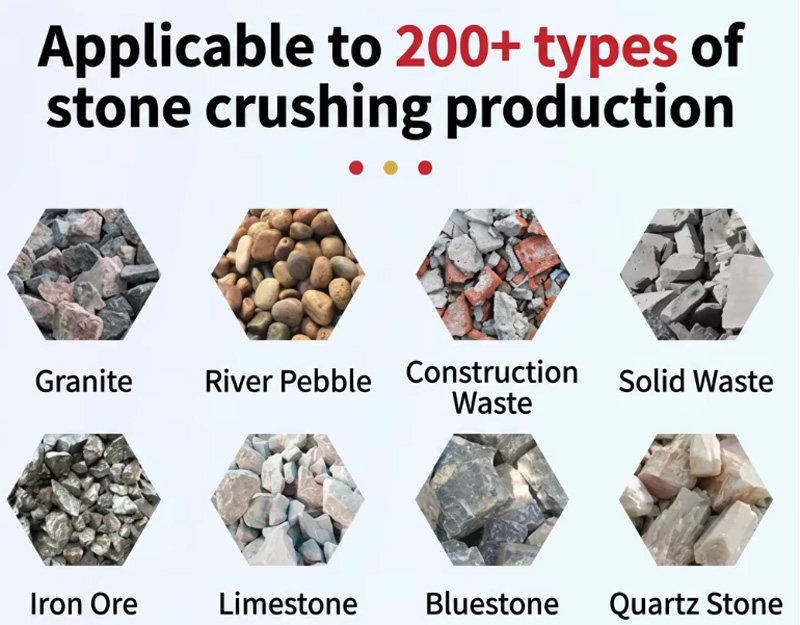
The F4800ERS suits medium-soft-rock and waste-recycling applications with stable mains power: limestone, dolomite, concrete debris, asphalt waste and brick rubble. Typical deployment sites are urban construction-waste recycling centres, fixed aggregate plants and crushing yards owned by concrete batching plants.
Not recommended for hard rock such as granite or basalt, as blow-bar wear will accelerate. For frequently-relocated sites without grid power, please refer to the F4800RS diesel-powered version.
 Ⅶ. Power-Version Selection
ERS denotes the all-electric configuration without diesel engine. It runs on industrial grid power, with 315 kW total installed power, WEG main motor and variable-frequency cabinet. You shall provide a transformer of adequate capacity; we supply electrical-interface drawings.
Variable-frequency soft-start enables gradual main-motor loading upon power-on and minimises grid shock. Urban power grids generally support this load. We calculate voltage drop based on your on-site cable-run distance and document requirements in electrical drawings.
Ⅷ. Delivery Scope & After-sales Support
Delivery package includes complete machine, electrical schematic drawings, operation-and-maintenance manuals, special tools and a one-year wear-part kit (including spare blow bars and impact liners). Our electrical engineers attend site for power-connection and commissioning, and train your electricians and machine operators.
Ⅸ. Frequently Asked Questions
Q: What transformer capacity is required for the electric version? A: With 315 kW installed power, a 500-600 kVA transformer is recommended. Exact requirements are calculated based on on-site cable length and specified within our electrical drawings.
Q: What happens in case of grid power failure? A: The all-electric unit carries no on-board generator; crushing stops during blackouts. An emergency generator or hybrid solution is advised for locations prone to frequent power cuts.
Q: Do blow bars achieve identical service life between electric and diesel variants? A: Yes. Blow bars and impact liners use the identical high-chromium-alloy material. Only the prime-mover differs; crushing performance remains unchanged.
Operators engaged in construction-waste recycling and limestone aggregate production near urban areas have faced tightening environmental regulations in recent years. Black smoke from diesel engines quickly draws regulatory inspections. Sites close to residential areas frequently receive noise complaints. While switching to an electric impact crusher sounds appealing, many worry that electric units lack sufficient power to crush steel-reinforced concrete debris.
Our cost calculations show that industrial electricity is far cheaper than diesel. For fixed recycling facilities operating continuously, the per-ton operating cost gap is substantial. However, reliable electric-driven impact crushers are limited on the market: imported units carry exorbitant price tags, while domestic alternatives raise concerns over component quality. Few solutions balance environmental compliance and operating-cost savings
Ⅱ. What is this machine for?
The MST-F4800ERS is the all-electric variant built on the F4800 platform. It weighs approximately 66 tons with a throughput of 150-360 t/h, driven by an all-electric system with around 315 kW total installed power. It is purpose-designed for fixed aggregate plants and urban construction-waste recycling sites with stable grid power, delivering low-noise, eco-friendly performance and reduced per-ton material costs.
Ⅲ. Main advantages of crawler-type mobile impact
1.All-electric drive produces zero black smoke and low noise. It simplifies permit approvals for urban-fringe recycling yards, enables night-time operation without disturbing residents and minimises environmental-complaint risks.
2.Industrial power costs less than diesel. For continuous-operation fixed recycling sites, per-ton power expenses drop by 30-40 %. Annual cost savings can cover multiple sets of blow-bar replacements.
3.Identical three-stage impact crushing chamber as the diesel version. It produces cubical end products with low flakiness index, simplifying acceptance checks for recycled aggregates and shaped limestone materials.
4.Long-service-life high-chromium blow bars; quick-access hydraulic housing for fast blow-bar change-out. An iron remover extracts steel rebar embedded in concrete debris, protecting blow bars from impact damage and cutting downtime.
5.Throughput ranging 150-360 t/h, delivering stable performance crushing limestone and concrete rubble. Variable-frequency soft-start limits inrush impact to the power grid.
6.No diesel-engine-related maintenance parts. On-site electricians can complete routine servicing to save labour costs. Standard features include water-spray dust suppression and remote control operation.
Ⅵ. More about MST
MST runs a large-scale digital manufacturing base. As a National High-Tech Enterprise and Key Specialized & Sophisticated Small-Giant Enterprise, we focus on tracked mobile crushing and screening equipment. Our crushing-technology benchmarks include Metso, Sandvik, Powerscreen and Kleemann. Our chamber geometry and power-matching solutions are widely recognised across the industry. We source premium-grade components from global leading brands: Cummins, Weichai, Stamford, Strickland, WEG, SKF, FAG, Danfoss, Schneider and Siemens. Our equipment has been exported to more than 100 countries. Overseas revenue accounted for over half of total turnover in 2025, underpinned by our reliable component selection.
Ⅴ. Main Technical Specifications
| Item | Parameter |
| Model | MST-F4800ERS |
| Total Weight | Approx. 66 T |
| Capacity | 150-360 t/h |
| Total Installed Power | Approx. 315 kW (Electric) |
| Power Type | All-electric (ERS) |
| Crushing Principle | Impact crushing (for medium-soft rock shaping) |
| Main Motor / Electric Control | WEG; Schneider/Siemens |
| Track Brand | Strickland |
| Bearings / Hydraulics | SKF/FAG; Danfoss |
| Operating Ambient Temperature | -40 °C ~ +40 °C |
| Overall Dimensions | Refer to official configuration sheet |
| Applicable Materials | Limestone, concrete rubble, asphalt waste, medium-soft rock |
The F4800ERS suits medium-soft-rock and waste-recycling applications with stable mains power: limestone, dolomite, concrete debris, asphalt waste and brick rubble. Typical deployment sites are urban construction-waste recycling centres, fixed aggregate plants and crushing yards owned by concrete batching plants.
Not recommended for hard rock such as granite or basalt, as blow-bar wear will accelerate. For frequently-relocated sites without grid power, please refer to the F4800RS diesel-powered version.
ERS denotes the all-electric configuration without diesel engine. It runs on industrial grid power, with 315 kW total installed power, WEG main motor and variable-frequency cabinet. You shall provide a transformer of adequate capacity; we supply electrical-interface drawings.
Variable-frequency soft-start enables gradual main-motor loading upon power-on and minimises grid shock. Urban power grids generally support this load. We calculate voltage drop based on your on-site cable-run distance and document requirements in electrical drawings.
Ⅷ. Delivery Scope & After-sales Support
Delivery package includes complete machine, electrical schematic drawings, operation-and-maintenance manuals, special tools and a one-year wear-part kit (including spare blow bars and impact liners). Our electrical engineers attend site for power-connection and commissioning, and train your electricians and machine operators.
Ⅸ. Frequently Asked Questions
Q: What transformer capacity is required for the electric version? A: With 315 kW installed power, a 500-600 kVA transformer is recommended. Exact requirements are calculated based on on-site cable length and specified within our electrical drawings.
Q: What happens in case of grid power failure? A: The all-electric unit carries no on-board generator; crushing stops during blackouts. An emergency generator or hybrid solution is advised for locations prone to frequent power cuts.
Q: Do blow bars achieve identical service life between electric and diesel variants? A: Yes. Blow bars and impact liners use the identical high-chromium-alloy material. Only the prime-mover differs; crushing performance remains unchanged.