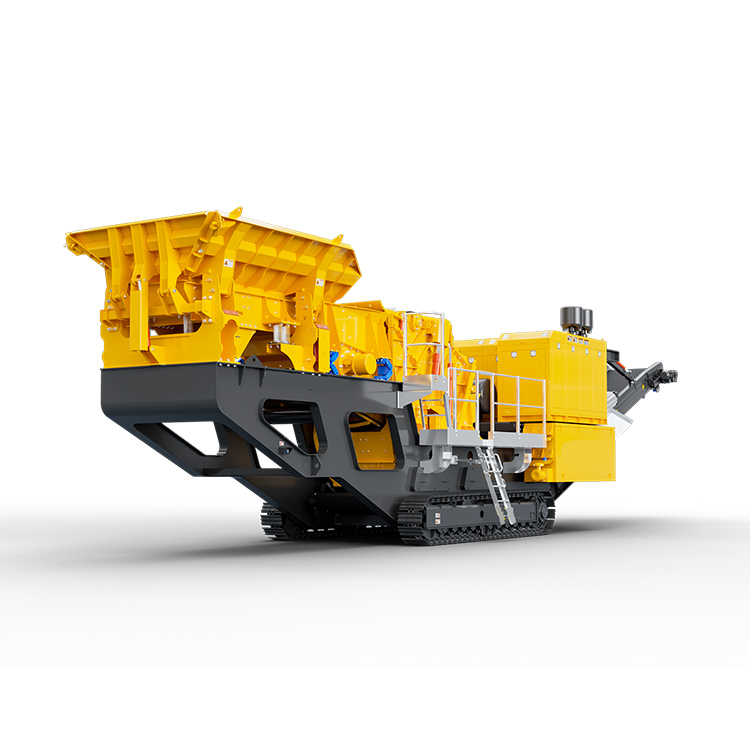
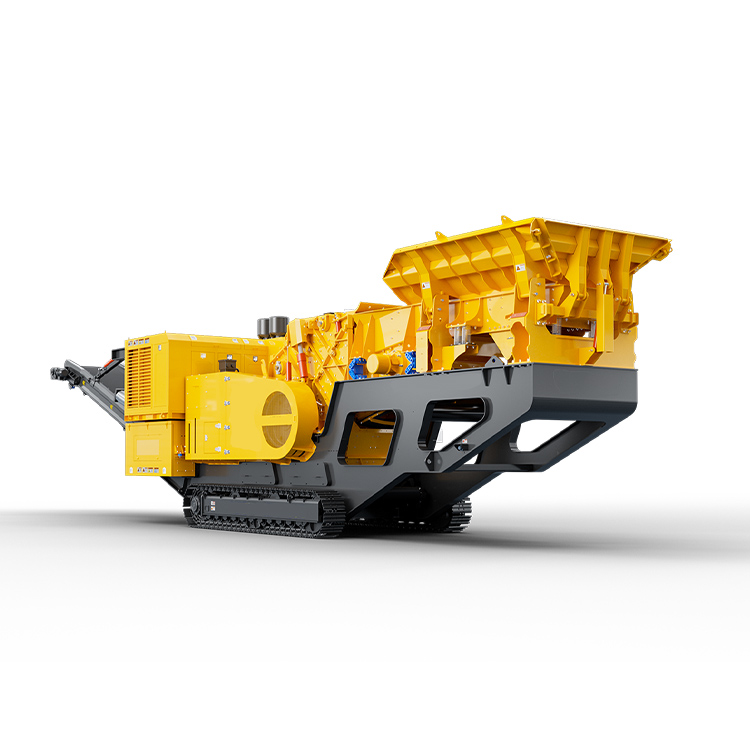
Ⅰ. Have you ever run into the following problems in your daily work?Let our mobile impact crusher for limestone help you.
Medium-sized aggregate plants face an awkward middle-ground dilemma. Small impact crushers fail to deliver sufficient throughput, while large imported units impose heavy capital costs that squeeze profit margins. Operators seek a reliable primary crusher offering decent capacity and good particle shape. However, many so-called main-workhorse crushers on the market require blow-bar replacement every three months and produce high flakiness content, leading to constant disputes over site acceptance checks.
We fully recognise that fixed material yards benefit from low grid electricity prices, whereas diesel-driven units generate substantial fuel expenses. An electric primary impact crusher is therefore a genuine market demand. Nevertheless, choices for electric main-stream impact crushers remain limited. Available options are either over-priced or fitted with concerning-quality components. Medium-size plants hesitate to upgrade for fear of making poor equipment-investment decisions.
Ⅱ. What is this machine for?
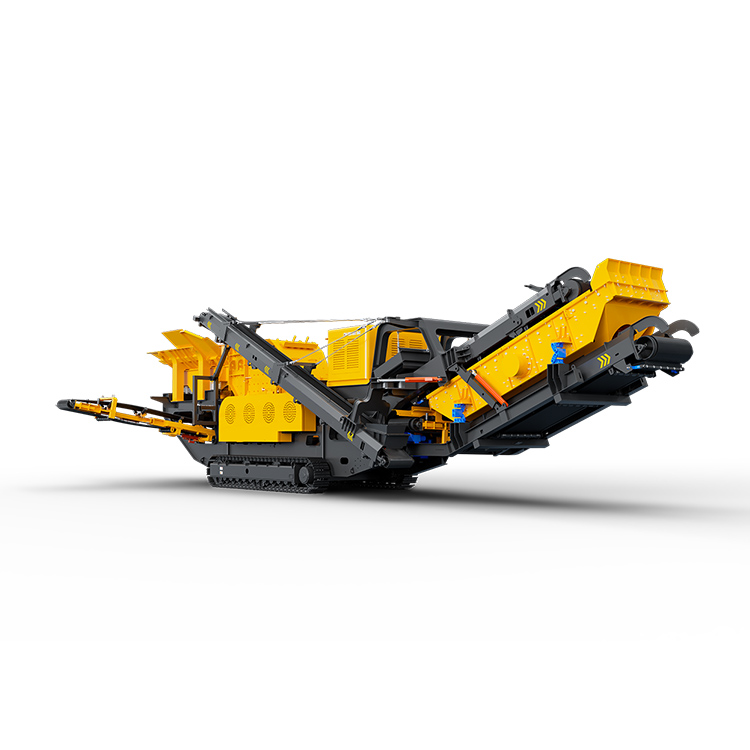
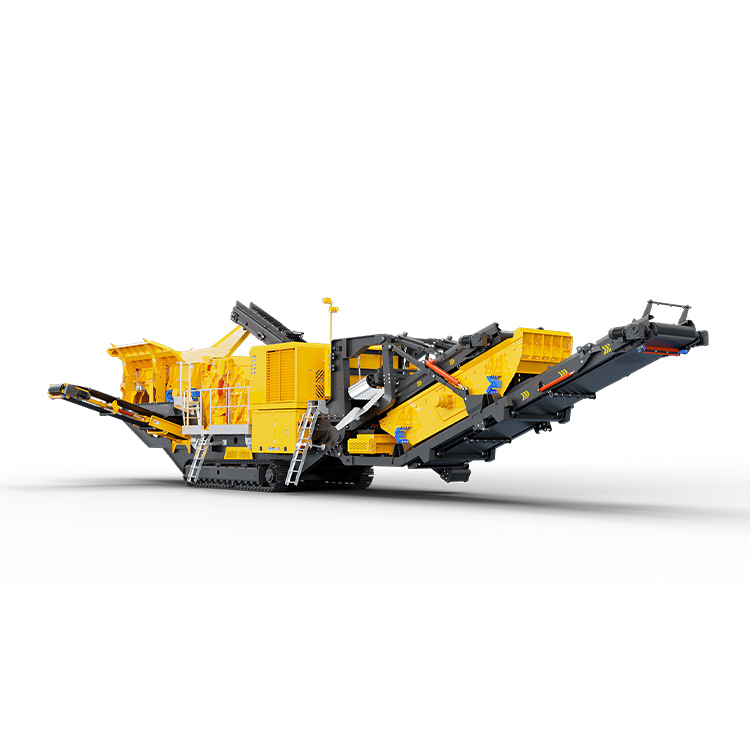
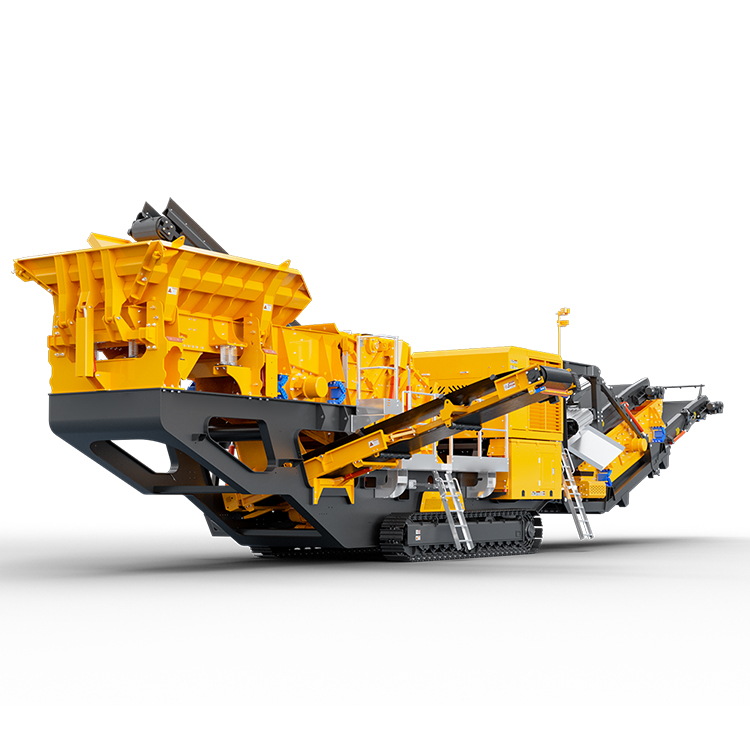
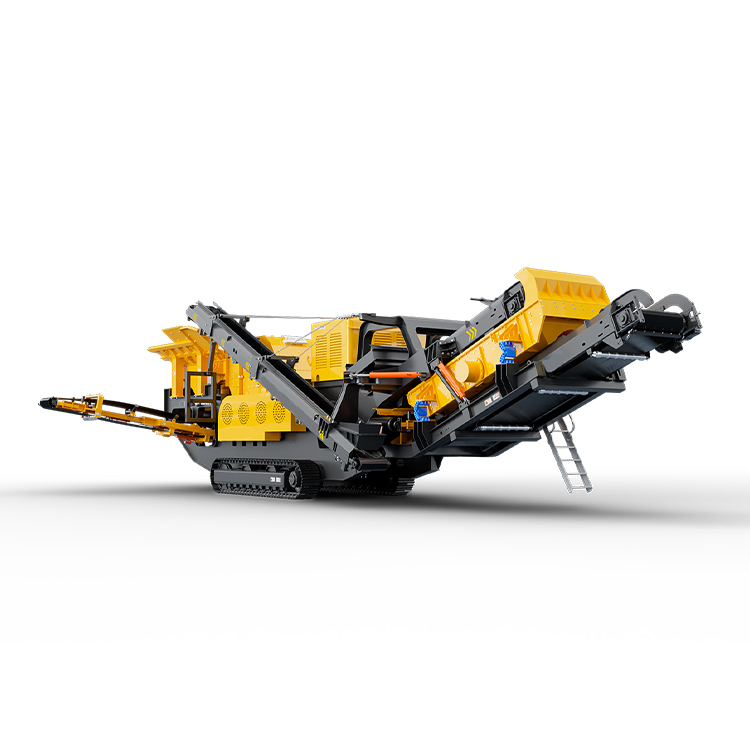
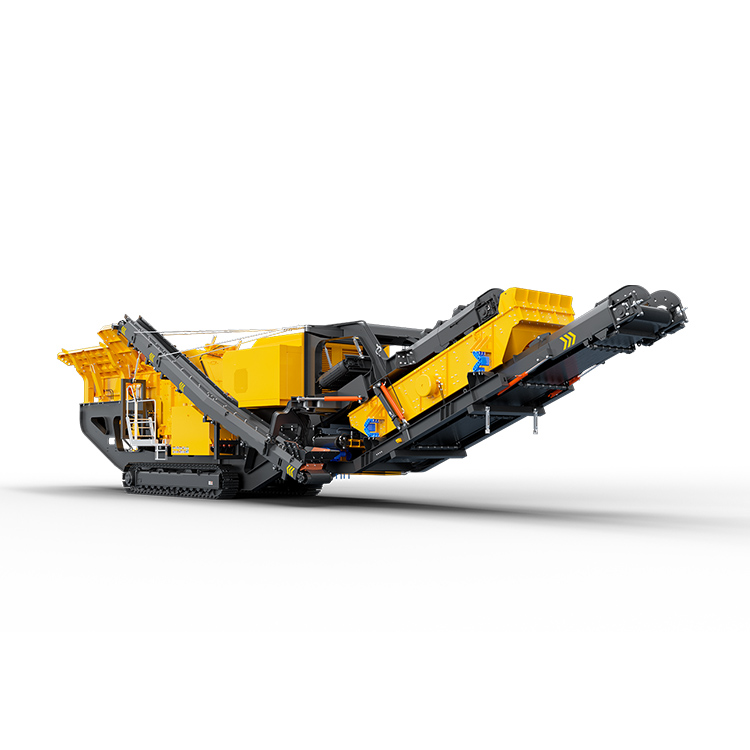
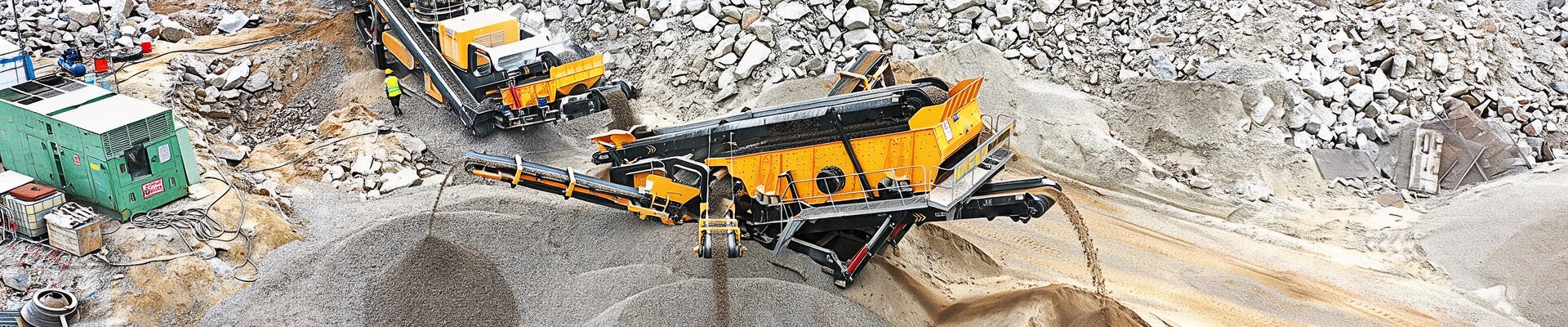
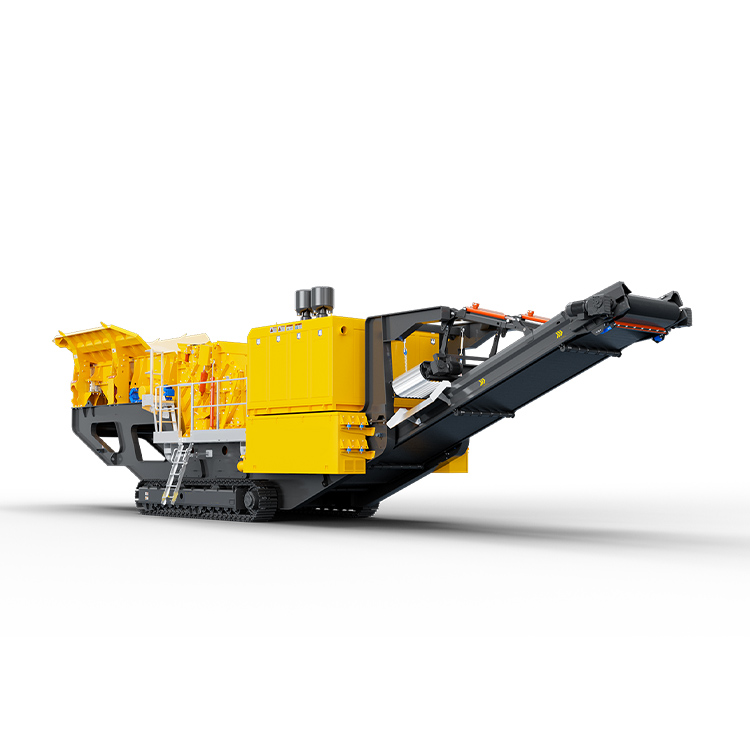
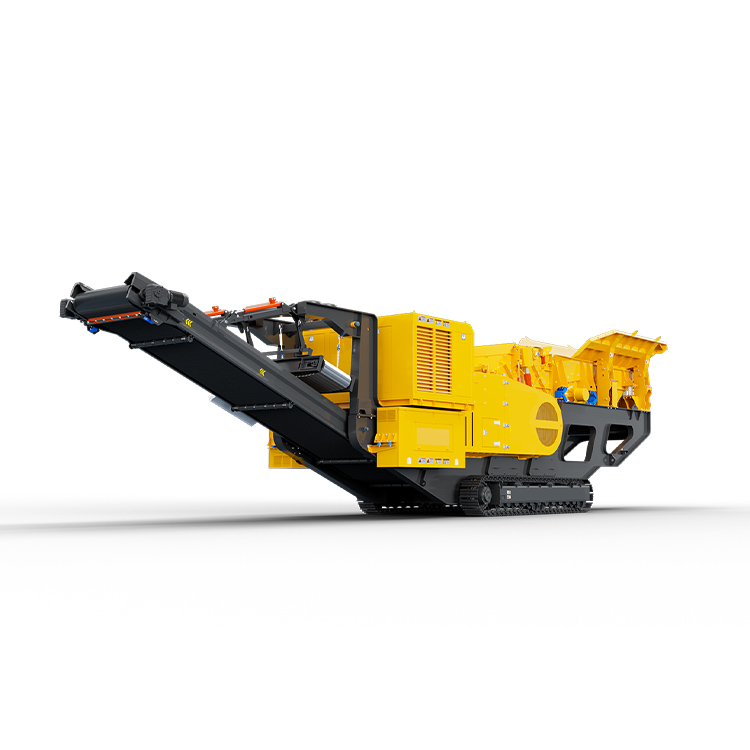
The MST-F5000E is the all-electric primary tracked impact crusher within our F5000 series, designed for secondary crushing and shaping in medium-scale aggregate lines. It adopts the identical crushing chamber geometry of its platform-sharing diesel counterparts F5000RS / F5000DRS and runs on industrial grid power. It suits fixed sand-and-gravel yards, limestone aggregate plants and construction-waste recycling centres with stable mains-power supply. Exact weight and power ratings shall be specified in the official configuration sheet.
Ⅲ. Why choose this model: Eight core advantages
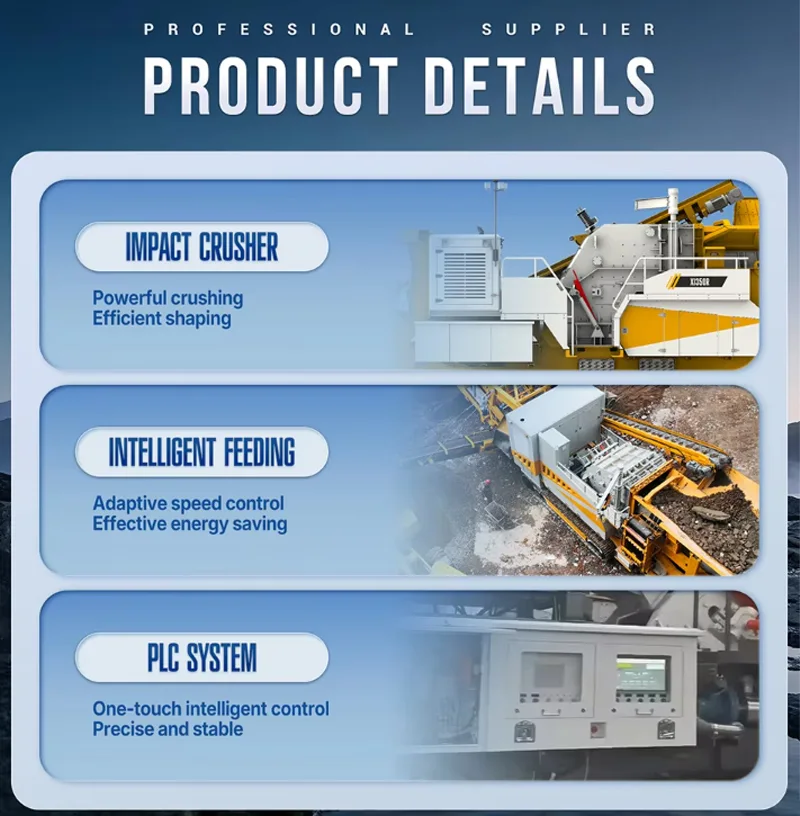
1.Three-stage impact crushing chamber delivers cubical-shaped output with low flakiness index. 5-10 mm shaped aggregates command favourable selling prices and easily pass acceptance standards for high-speed-rail and highway-grade aggregates.
2.All-electric drive generates zero black smoke and low noise. Operating within urban-fringe or industrial-zone fixed aggregate sites simplifies environmental-permit procedures and avoids noise disturbance during night-time shifts.
3.Grid power is cheaper than diesel. Continuous operation at fixed plants yields markedly lower per-ton operating costs versus diesel-powered alternatives. The price premium for the electric unit can be recovered within 2-3 years.
4.High-chromium blow bars paired with hydraulically actuated quick-open housing. Blow-bar replacement does not require major host-machine disassembly, shortening maintenance downtime and production losses during long-shift continuous runs.
5.Configured for 200-400 t/h throughput. It produces secondary-crushed and shaped feed for medium-scale aggregate lines, supplying consistent material flow to downstream screening plants.
6.Self-propelled tracked undercarriage eliminates crane requirements for in-yard relocation. Water-spray dust suppression, hydraulically adjustable conveyor height and remote-control operation enable single-operator positioning and commissioning.
Ⅳ. More about MST
MST operates a large-scale digital manufacturing base. As a National High-Tech Enterprise and Key Specialized & Sophisticated Small-Giant Enterprise, we focus exclusively on tracked mobile crushing and screening equipment. We draw upon proven design experience from Metso, Sandvik, Powerscreen and Kleemann and further optimise our solutions based on real-world site test data. We deploy top-tier brand components across the board: Cummins, Weichai, Stamford, Strickland, WEG, SKF, FAG, Danfoss, Schneider and Siemens. We select premium parts because our customers rely on equipment for round-the-clock 24-hour continuous production.
Ⅴ. Main Technical Specifications
 Ⅵ. Suitable Working Conditions & Processable Materials
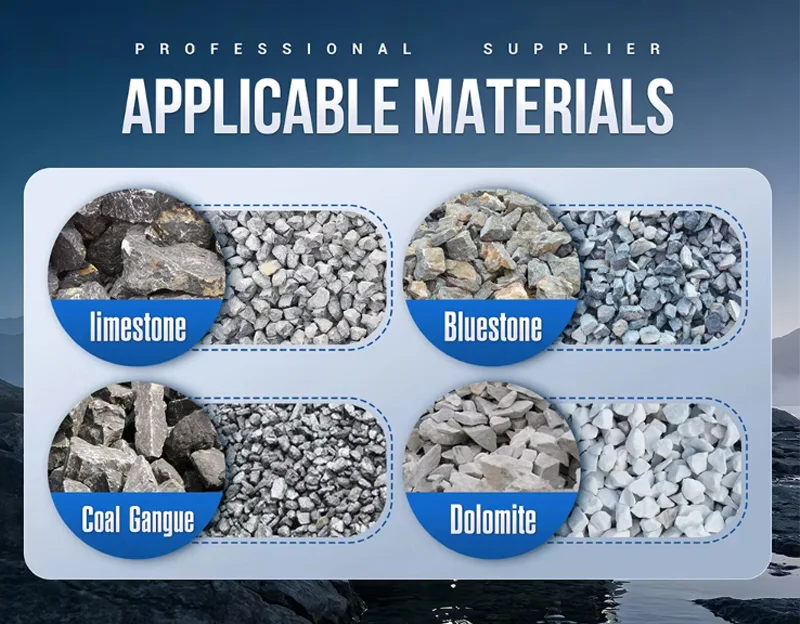
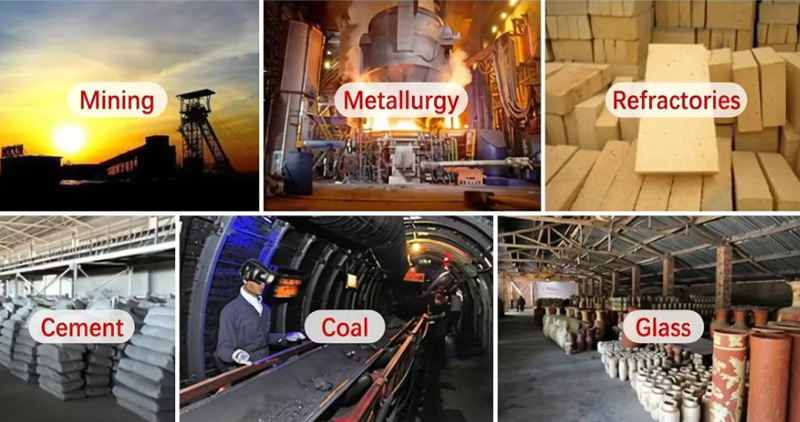
The F5000E targets medium-soft-rock applications with stable mains-power supply: limestone, dolomite, concrete debris and asphalt waste. It serves as the primary secondary-crushing and shaping unit for medium-scale aggregate lines, feeding finished-material screening stations directly.
Typical deployment sites include fixed urban-fringe sand-and-gravel yards, construction-waste recycling centres and on-site crushing yards owned by concrete batching plants. Impact crushers are not recommended as primary processing units for hard rock such as granite or basalt; cone crushers shall be deployed for such feed material.
 Ⅶ. Power-Version Selection
Suffix E denotes the all-electric configuration. The unit runs on industrial mains power. Exact installed power is defined by your selected crushing-chamber geometry and throughput target and will be specified in the official configuration sheet.
You shall provide a transformer of adequate capacity; we supply complete electrical-interface drawings. Variable-frequency soft-start delivers gradual motor loading after power-on and minimises inrush impact on the local power grid.
Ⅷ. Frequently Asked Questions
Q: What exact throughput can the F5000E electric version achieve?
A: Actual capacity and unit weight depend on your selected crushing-chamber and discharge-gap settings. The performance reference range inherited from diesel siblings stands at 200-400 t/h. Accurate figures are custom-calculated for your feed material and documented within the configuration sheet.
Q: How is blow-bar service-life performance for the electric variant?
A: Blow bars and impact liners use identical high-chromium-alloy material as diesel-powered models, delivering equivalent service life. Only the prime-mover differs; crushing performance remains uncompromised.
Q: Can the unit be retrofitted to diesel-drive configuration later?
A: The F5000 platform reserves mechanical modification interfaces. Our engineers conduct on-site assessment for retrofitting feasibility; complete machine scrapping is generally unnecessary.
Medium-sized aggregate plants face an awkward middle-ground dilemma. Small impact crushers fail to deliver sufficient throughput, while large imported units impose heavy capital costs that squeeze profit margins. Operators seek a reliable primary crusher offering decent capacity and good particle shape. However, many so-called main-workhorse crushers on the market require blow-bar replacement every three months and produce high flakiness content, leading to constant disputes over site acceptance checks.
We fully recognise that fixed material yards benefit from low grid electricity prices, whereas diesel-driven units generate substantial fuel expenses. An electric primary impact crusher is therefore a genuine market demand. Nevertheless, choices for electric main-stream impact crushers remain limited. Available options are either over-priced or fitted with concerning-quality components. Medium-size plants hesitate to upgrade for fear of making poor equipment-investment decisions.
Ⅱ. What is this machine for?
The MST-F5000E is the all-electric primary tracked impact crusher within our F5000 series, designed for secondary crushing and shaping in medium-scale aggregate lines. It adopts the identical crushing chamber geometry of its platform-sharing diesel counterparts F5000RS / F5000DRS and runs on industrial grid power. It suits fixed sand-and-gravel yards, limestone aggregate plants and construction-waste recycling centres with stable mains-power supply. Exact weight and power ratings shall be specified in the official configuration sheet.
Ⅲ. Why choose this model: Eight core advantages
1.Three-stage impact crushing chamber delivers cubical-shaped output with low flakiness index. 5-10 mm shaped aggregates command favourable selling prices and easily pass acceptance standards for high-speed-rail and highway-grade aggregates.
2.All-electric drive generates zero black smoke and low noise. Operating within urban-fringe or industrial-zone fixed aggregate sites simplifies environmental-permit procedures and avoids noise disturbance during night-time shifts.
3.Grid power is cheaper than diesel. Continuous operation at fixed plants yields markedly lower per-ton operating costs versus diesel-powered alternatives. The price premium for the electric unit can be recovered within 2-3 years.
4.High-chromium blow bars paired with hydraulically actuated quick-open housing. Blow-bar replacement does not require major host-machine disassembly, shortening maintenance downtime and production losses during long-shift continuous runs.
5.Configured for 200-400 t/h throughput. It produces secondary-crushed and shaped feed for medium-scale aggregate lines, supplying consistent material flow to downstream screening plants.
6.Self-propelled tracked undercarriage eliminates crane requirements for in-yard relocation. Water-spray dust suppression, hydraulically adjustable conveyor height and remote-control operation enable single-operator positioning and commissioning.
Ⅳ. More about MST
MST operates a large-scale digital manufacturing base. As a National High-Tech Enterprise and Key Specialized & Sophisticated Small-Giant Enterprise, we focus exclusively on tracked mobile crushing and screening equipment. We draw upon proven design experience from Metso, Sandvik, Powerscreen and Kleemann and further optimise our solutions based on real-world site test data. We deploy top-tier brand components across the board: Cummins, Weichai, Stamford, Strickland, WEG, SKF, FAG, Danfoss, Schneider and Siemens. We select premium parts because our customers rely on equipment for round-the-clock 24-hour continuous production.
Ⅴ. Main Technical Specifications
| Item | Parameter |
| Model | MST-F5000E |
| Power Type | All-electric (E) |
| Crushing Principle | Impact crushing (Workhorse for medium-soft-rock shaping) |
| Total Weight | Subject to official configuration sheet |
| Capacity | Refer to F5000-series data; subject to official configuration sheet |
| Total Installed Power | Subject to official configuration sheet |
| Main Motor / Electric Control | WEG; Schneider/Siemens |
| Track Brand | Strickland |
| Bearings / Hydraulics | SKF/FAG; Danfoss |
| Operating Ambient Temperature | -40 °C ~ +40 °C |
| Working / Transport Dimensions | Subject to official configuration sheet |
| Applicable Materials | Limestone, dolomite, concrete rubble, asphalt waste, medium-soft rock |
The F5000E targets medium-soft-rock applications with stable mains-power supply: limestone, dolomite, concrete debris and asphalt waste. It serves as the primary secondary-crushing and shaping unit for medium-scale aggregate lines, feeding finished-material screening stations directly.
Typical deployment sites include fixed urban-fringe sand-and-gravel yards, construction-waste recycling centres and on-site crushing yards owned by concrete batching plants. Impact crushers are not recommended as primary processing units for hard rock such as granite or basalt; cone crushers shall be deployed for such feed material.
Suffix E denotes the all-electric configuration. The unit runs on industrial mains power. Exact installed power is defined by your selected crushing-chamber geometry and throughput target and will be specified in the official configuration sheet.
You shall provide a transformer of adequate capacity; we supply complete electrical-interface drawings. Variable-frequency soft-start delivers gradual motor loading after power-on and minimises inrush impact on the local power grid.
Ⅷ. Frequently Asked Questions
Q: What exact throughput can the F5000E electric version achieve?
A: Actual capacity and unit weight depend on your selected crushing-chamber and discharge-gap settings. The performance reference range inherited from diesel siblings stands at 200-400 t/h. Accurate figures are custom-calculated for your feed material and documented within the configuration sheet.
Q: How is blow-bar service-life performance for the electric variant?
A: Blow bars and impact liners use identical high-chromium-alloy material as diesel-powered models, delivering equivalent service life. Only the prime-mover differs; crushing performance remains uncompromised.
Q: Can the unit be retrofitted to diesel-drive configuration later?
A: The F5000 platform reserves mechanical modification interfaces. Our engineers conduct on-site assessment for retrofitting feasibility; complete machine scrapping is generally unnecessary.